

There’s a version of loyalty we’re proud of. Showing up. Sticking with things. Being the person others can count on.
And then there’s another kind – quieter, harder to see – where loyalty stops being a choice and becomes a habit. Where we’re not staying because something still fits, but because leaving would mean admitting it stopped fitting a long time ago.
Most of us have both running at the same time. So can we be too loyal? Probably. The harder question is knowing which kind we’re dealing with.
Table of Contents
We Learn Loyalty Before We Learn To Question It
Think about where loyalty starts. Not in adulthood, when we can weigh things up – but earlier, when we’re still figuring out how the world works and what we need to do to belong in it.
Most of us spent years doing things more for approval than for ourselves. Playing a sport because it made someone proud. Working hard at something we didn’t particularly love because effort was what got noticed. Trying to become a certain kind of person – tougher, more reliable, more useful – because that was what seemed to be asked of us.
That’s not a criticism of the people who raised us. It’s just how it works. We learn loyalty as children, long before we’re old enough to ask whether the thing we’re being loyal to is actually ours.
The problem is that the habit doesn’t automatically update when we grow up. We keep fitting in, keep showing up, keep being the strong member of the team – at work, in friendships, in relationships – often without stopping to ask whether we’d still choose this if we were choosing fresh today.
Loyalty to a Version of Yourself
There’s a particular kind of loyalty that’s easy to miss because it looks like consistency.
For years I was the Windows person. A website with PC guides, an updated custom ROM list site that drew 14,000 monthly visitors at its peak, Recognised Contributor status on XDA Developers. I wasn’t doing it for money – I genuinely loved learning and helping others work through the same things I was figuring out.
But somewhere in there, it stopped being just a hobby and became part of how I identified myself. The Windows person. The tech tinkerer. The one who knew how to squeeze performance out of ageing hardware.
When Microsoft banned my forum account – over a guide I’d written to install Windows 10 on older machines, practical advice I’d tested myself – the rejection stung more than it probably should have. Thousands of hours of unpaid enthusiasm, and one unexplained block. I remember wondering afterwards: was I that invested in a platform that didn’t even know my name?
That’s the thing about being loyal to a version of yourself. The platform, the community, the identity – none of it is loyal back. It can’t be. And when it inevitably changes or disappears or rejects you, you’re left holding a self-image that no longer has anywhere to live.

Maybe for you, it wasn’t custom ROMs. Maybe you’re the ‘Car Guy,’ the ‘Perfect Hostess,’ or the one who always organizes the family events. We build these identities, and eventually, the platform, the community, or the people involved become the scaffolding holding that identity up.
I use a basic phone now. I couldn’t afford to be loyal enough for another high-end device. I barely think about operating systems. The person who spent weekends flashing custom ROMs from XDA, testing setups, and keeping those lists alive feels like someone I used to know. I don’t miss him exactly. But the work meant something at the time, and that’s enough.
When Loyalty Becomes People-Pleasing
Work brings out a particular kind of loyalty.
Most of us spend years trying to fit in – becoming a reliable part of a team, earning our place, showing up even when it costs us something. That instinct isn’t wrong. There’s real value in being someone others can depend on, and real satisfaction in being trusted with responsibility.
Sometimes that consistency even builds skills you never expected.
But people-pleasing and loyalty aren’t the same thing, even though they can look identical from the outside.
Loyalty is a choice you keep making. People-pleasing is what happens when the choice stops feeling optional – when saying no seems too risky, when your own needs quietly move to the back of the queue, when you’re working so hard to be what others need that you lose track of what you actually think.
I wrote about this more directly in What Nobody Tells You About Working Hard – the way we’re often taught that effort directed outward is always noble, always worth it. And sometimes it is. Helping others, supporting people through difficulty, being the one who holds things together – these aren’t things to be embarrassed about.
But there’s a kind of loyalty to others that’s less about generosity and more about fear. Fear of being seen as difficult. Fear of letting people down. Fear that if you stop being endlessly available, people will stop valuing you at all. That kind of loyalty tends to be expensive, and the invoice arrives late.
The question worth sitting with isn’t whether loyalty to others is good or bad. It’s whether yours is chosen or just habitual. Whether you’d still show up the same way if showing up weren’t the path of least resistance.
Small Loyalties Tell the Truth Too
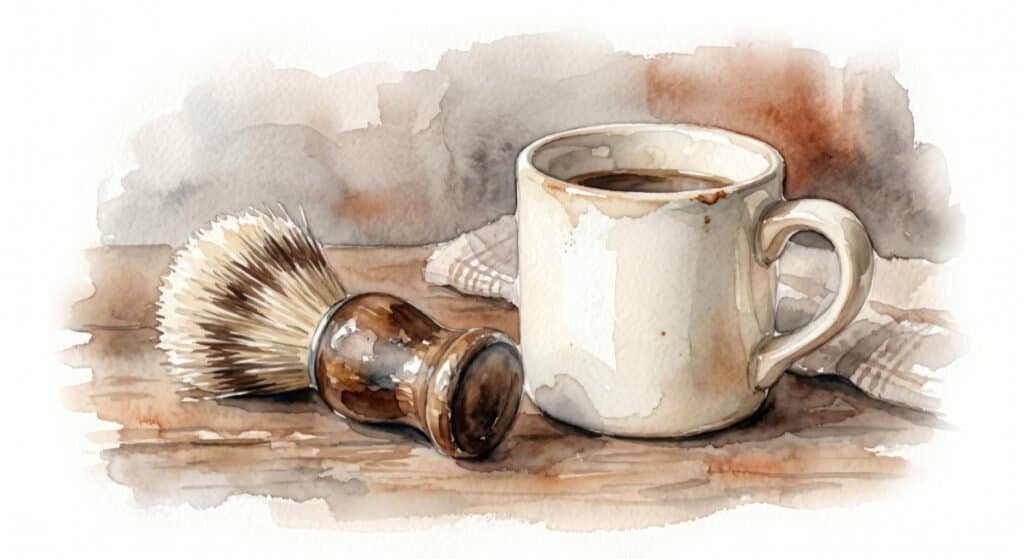
Not every loyalty crisis is dramatic.
Sometimes it’s a shaving brand you’ve used for twenty years because of an advert you half-remember from childhood. A supermarket you go to out of habit rather than preference. A way of doing things that you’d struggle to justify if someone asked, because the real reason is just: this is what I’ve always done.
These small loyalties matter because they’re practice. Every time we question a small one – try the other brand, take a different route, admit that the thing we defended for years might not actually be the best option – we get slightly better at questioning the larger ones too.
And the larger ones are where it counts.
Can We Be Too Loyal? Here’s How to Tell
How do you know whether your loyalty is genuinely yours – or just what you’ve always done, and changing it would feel like more trouble than it’s worth?
I don’t think there’s a clean answer. But there are signals.
If the thought of changing something makes you defensive rather than curious, that’s worth noticing. If you find yourself justifying a habit more often than enjoying it, worth noticing. If your loyalty to something – a platform, a workplace, a relationship, a version of yourself – is costing you more than it’s giving back, and you keep finding reasons to stay anyway, it’s at least worth asking what you’re trying to protect.
Sometimes the answer is: something real. A commitment that still makes sense. A relationship worth the difficulty. A version of yourself that’s still true.
And sometimes the answer is: mostly just the discomfort of change.
Both are human. But only one of them is really loyalty.
Where do you notice loyalty tipping into habit in your own life – with people, with work, with the version of yourself you keep showing up as? I’d be curious what you’re holding onto, and whether it still fits.

Related Reads on OldDogZeroTricks

Grant here (aka OldDogZeroTricks). I’m a British expat living in Japan, teaching English, growing vegetables, and writing honestly about aging, purpose, and figuring things out – without the BS.
This blog is where I talk about the stuff most people keep to themselves – the embarrassing truths, the questions we don’t ask out loud, and what it feels like to keep going, one ordinary day at a time.