
When we say “it’s all relative”, we usually mean that judgments about success, failure, or worth depend entirely on what we’re comparing ourselves to. Your struggles might be someone else’s dream life. Your embarrassment might be another person’s freedom.
But here’s what I’m wondering: when you catch yourself saying “it’s all relative”, are you finding genuine peace with your circumstances, or are you making excuses to avoid honest self-reflection?
Table of Contents
Yesterday’s Reality Check
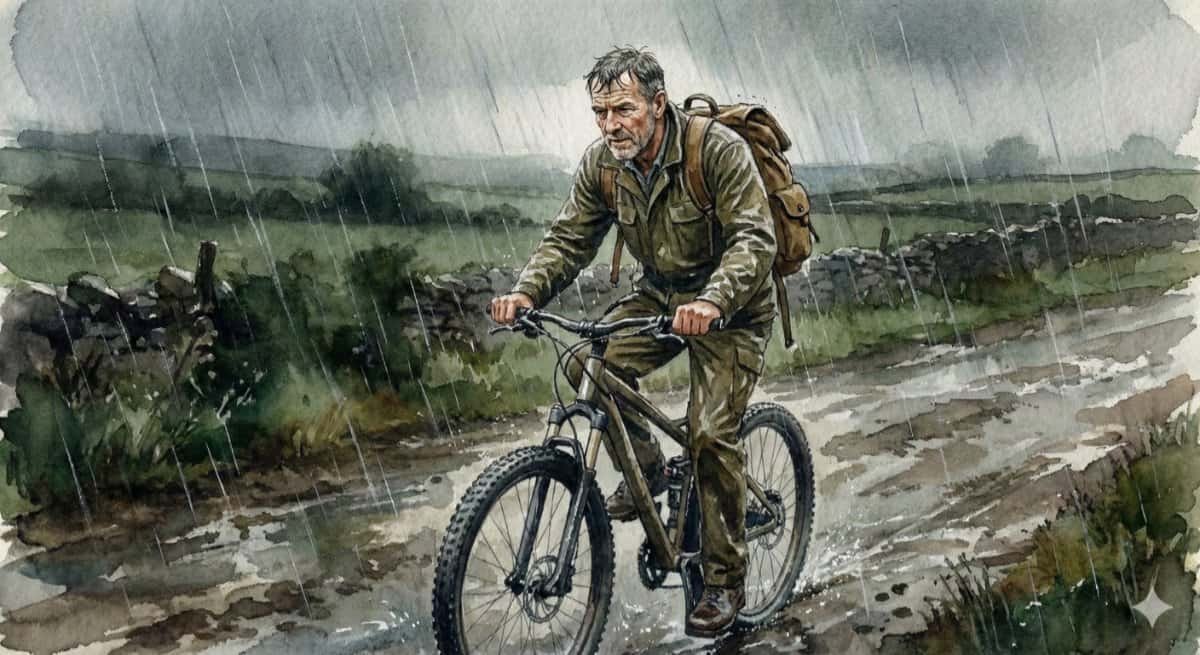
Yesterday was a farming day during Japan’s rainy season. I had to cycle to work in the pouring rain. No car, no raincoat, just me pedaling through water that soaked through everything I wore.
At 56, there’s something both liberating and slightly absurd about showing up to work looking like a drowned rat. I do work alone sometimes. Part of me felt like a happy kid who doesn’t care about getting wet. Another part wondered if this was what “failure to launch” looks like in late middle age.
Tom Cruise jumps out of helicopters for work. I cycle through puddles to tend vegetables. It’s all relative, right?
But as I pedaled through that rain, I realized the question isn’t whether my life measures up to someone else’s, it’s whether I’m being honest about my own relationship with where I’ve ended up.

The Scenarios We Deal With
Maybe you’re living paycheque to paycheque while friends post holiday photos. Do you say “it’s all relative” because you genuinely value different things, or because it’s easier than admitting you wish you’d made different choices with money?
Perhaps you’re in a job that’s perfectly fine but not what you dreamed of at 25. When younger colleagues talk about their ambitions, do you think “it’s all relative” because you’ve found peace with where you are, or because you’ve stopped pushing for something more?
Maybe you’re single when you thought you’d be partnered, or partnered when you crave solitude. Is “it’s all relative” wisdom about different paths, or resignation dressed up as acceptance?
And when you measure your accomplishments – some people climb corporate ladders, others tend gardens, some write bestsellers, others write thoughtful emails to friends – is “it’s all relative” really contentment, or something you tell yourself so the comparison doesn’t sting?
The Authenticity Test
Here’s what I’ve been wondering: How do we tell the difference between healthy acceptance and elaborate excuse-making?
When I show up to work soaked from cycling in the rain, am I being authentically myself: someone who values exercise and doesn’t mind the weather, or am I just making the best of circumstances I’m secretly embarrassed about?
Maybe both can be true simultaneously. Maybe that’s what “it’s all relative” really means: the story we tell ourselves about our choices matters as much as the choices themselves.
What Your Younger Self Would Think
This might be the real test. If your 25-year-old self could see you now, would they recognize the person they hoped to become? Would they be disappointed by your compromises or impressed by your wisdom?
My younger self might wonder why I’m cycling to work instead of driving. But he’d probably also be surprised that I found genuine satisfaction in physical labor and honest work, even if it doesn’t look like the success he imagined.
Your younger self might have different questions about your current life. What would those questions be?

The Spiritual Perspective
Those who’ve had near-death experiences often report seeing people who have just passed being greeted by understanding souls who congratulate them on completing their earthly journey. Apparently, there’s little judgement on the other side, and prince or pauper makes little difference.
If that’s true, maybe “it’s all relative” isn’t about comparing ourselves to others at all. Maybe it’s about recognizing that the measures we stress over, like money, status, and conventional success, are just temporary frameworks for a much larger story.
Would the souls who greet you someday care whether you drove to work or cycled through the rain? Probably not. They’d probably ask whether you were kind, whether you helped others, whether you lived honestly.
What Are You Really Comparing?
Think about the last time you caught yourself saying “it’s all relative.” What were you actually comparing yourself to? Social media highlights that only show the good days? Childhood expectations? Someone else’s apparent success that you’re only seeing from the outside?
And what were you trying to feel better about? A financial situation that still nags at you quietly? A career path that drifted somewhere between choice and circumstance? A relationship, or the absence of one, that doesn’t match the picture you had when you were young?
Here’s the question I find hardest: if money were no object tomorrow, what would you still feel insecure about? Because that’s usually where the real answer lives. “It’s all relative” is sometimes genuine peace — and sometimes it’s a way of not looking too closely at that particular thing.
I’m not asking because there’s a right answer. I’m asking because I think most of us are walking around with at least one area of life where we’ve quietly stopped being honest with ourselves about what we actually want. And “it’s all relative” can be the phrase that makes that feel acceptable.
What does “it’s all relative” tend to protect you from examining?

Related Reads on OldDogZeroTricks

Grant Barker here (aka OldDogZeroTricks). I’m a British expat living in Japan, teaching English, growing vegetables, and writing honestly about aging, purpose, and figuring things out – without the BS.
This blog is where I talk about the stuff most people keep to themselves – the embarrassing truths, the questions we don’t ask out loud, and what it feels like to keep going, one ordinary day at a time.