
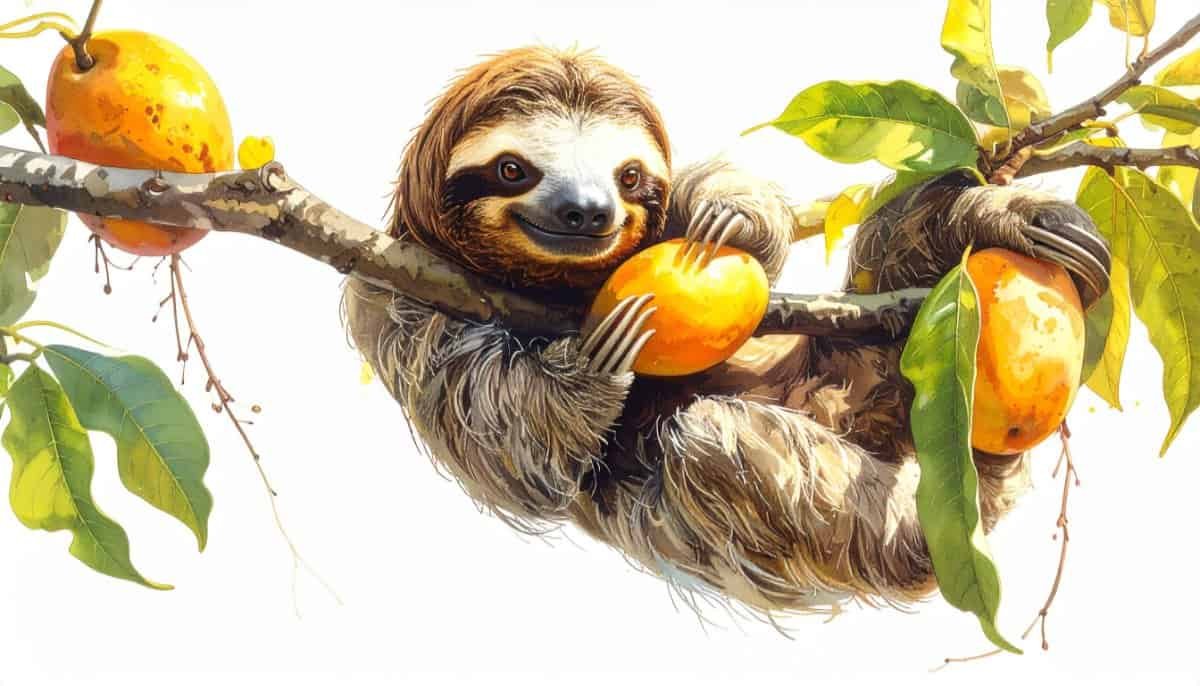
As we get older, many of us move at a different pace. The rush that once drove us matters less, and things we used to skip past start to feel worth the time. Are you noticing that too? What does slowing down look like for you?
Table of Contents
While I Sit Here
What does this say about slowing down? I’ve sat down at the PC after farming work, and knew I would be rewriting this post. It was today’s small mission. However, since coming home, I’ve actually walked to 7-Eleven twice. Each time for a cup of coffee. That means, I’ve only written two paragraphs in an hour, yet popped outside and walked down the road twice.
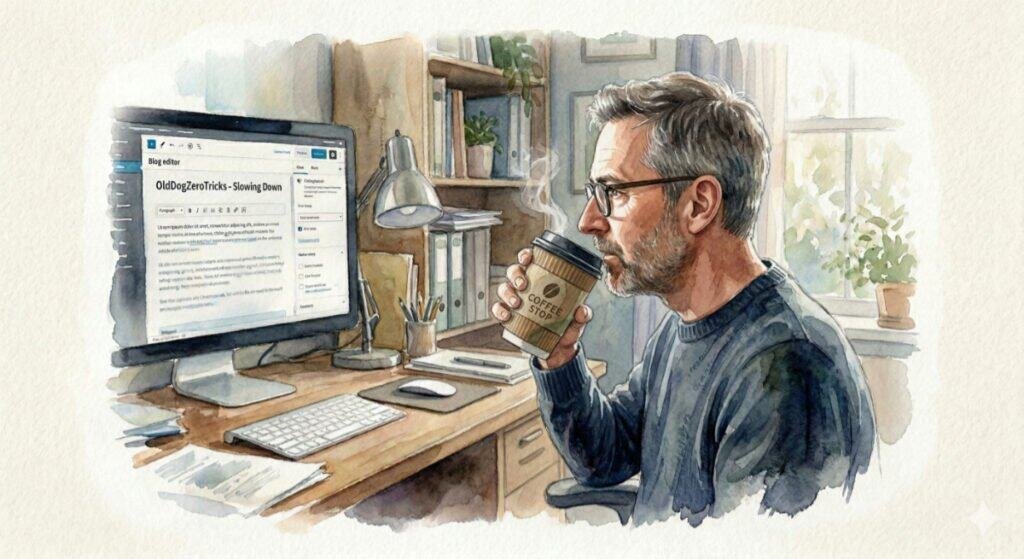
What does that say about rushing at this age?
As I was walking home the second time, I wondered if that break and brief walk again would inspire a new angle for this post.
I realized that the motivation to go out again to get that second coffee (that I didn’t really need) was about enjoying something:
It was a celebration of not having to rush. I’d worked this morning. This was now my time. There was a sense of peace. A kind of satisfaction for having time to blog, walk, and enjoy a pace on my terms.
As a young person, I don’t think I would have appreciated these simple things. But as I’ve gotten older, they have become quite precious.
What’s your relationship with time?
Has Rushing Stopped Feeling Necessary?
Has your need to rush changed? We could talk about physical limitations here – but that’s for a different time. I’m talking about your internal drive. Your drive to hurry up. To keep achieving or proving something. For many people, that pressure naturally fades.
Some people notice this change in their 40s, 50s, 60s, or later. You might never feel it at all and prefer to stay busy at all costs. But for those who do notice it, the common thread seems to be: it happens naturally, not as something you decide to do.
One day you just realize you’d rather sit with your coffee for 20 minutes than rush through it to get to the next thing. And that feels fine. Better than fine, actually.
When did you first notice you didn’t want to rush anymore?
What Slowing Down Actually Looks Like
When people talk about slowing down, they often mean paying attention to different things. The small stuff that used to feel ordinary starts to feel enough.
It’s hard to say exactly when that change happens. Maybe it’s just time passing. Maybe it’s from a few hard lessons. Whatever it is, you stop fighting for certain things and start noticing what’s already there.
You don’t need everything to impress you. Some things just feel right.
- Nature is the easiest example. When I’m out walking early in the morning, nothing feels rushed. The light changes slowly. A truck passes now and then. A crow lands on a wire and just sits there. Everything moves, but it moves at its own pace.
- Longer conversations. Sitting with a friend for two hours instead of quick texts back and forth. Talking about real things instead of just catching up on logistics or gossip.
- Walking for enjoyment. Not for exercise or steps or hitting a goal. Just walking to be outside, to think, to escape, and to take time for yourself.
- Cooking as an activity. Taking time to chop vegetables, try a recipe, and make something from scratch when quicker options exist.
- Watching sunsets. Actually stopping to look at the sky instead of seeing it while you’re rushing somewhere else.
- Fewer commitments, deeper engagement. Saying no to things that used to feel obligatory. And spending more time on things that make you happier instead.
For me, it’s the early morning walk for coffee. Could rush. But I walk slowly, notice the quiet, and nod to anyone I see. That 20 minutes matters more than the productivity I’d gain by speeding through it.
Or the walks with a friend where we talk about everything and nothing. We’re not striving for anything. We’re just walking and talking.
And the chats over tea with coworkers between lessons. Taking time out to talk can be good for everyone.
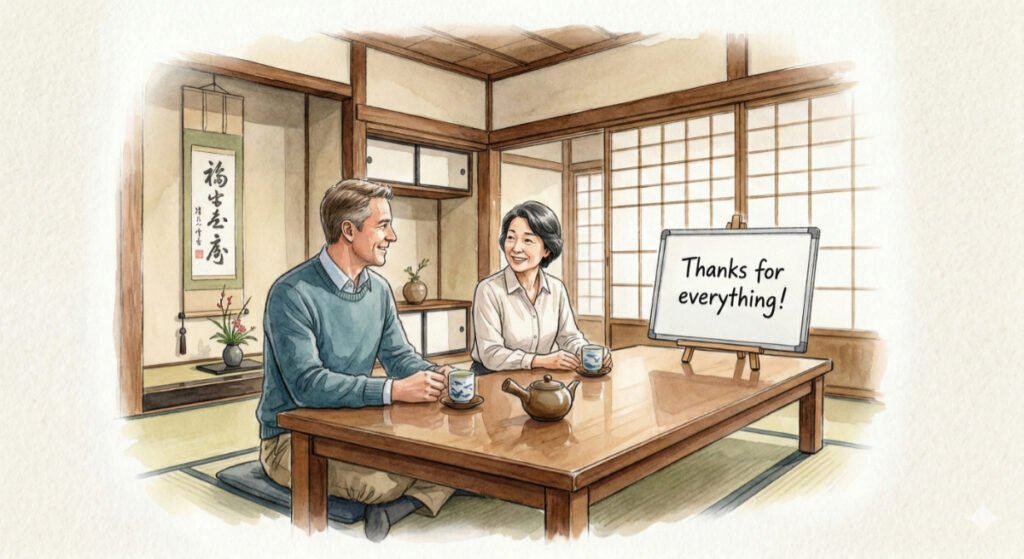
These aren’t impressive activities. But they make more sense than they used to.
What does a slower pace look like for you?
Why It Feels Better Now (maybe)
Why does slower feel better now when it used to feel frustrating? Psychology suggests that time speeds up as we age because our brains get too used to the daily routine. Stepping out of the rush and actively noticing the small things might just be our natural way of hitting the brakes.
When you’re younger, slowing down can feel like falling behind. Like you’re not doing enough. But for many people, that urgency fades.
Maybe it’s energy, clearer priorities, or you’re done proving things.
Or maybe slower just feels better in your body now. What once felt restless feels tiring. What used to seem like “not enough” now feels just right.
I don’t have the answer.
What do you think changed?
What About People Who Still Love Going Fast?
Here’s the thing: taking it slowly with age isn’t universal.
Some people thrive on packed schedules, ambitious goals, and constant activity – at any age. Their 60s look just as busy as their 30s, and they love it that way!
Some people slow down physically but their minds are still racing. They want to do more, see more, achieve more, even when their bodies are telling them to ease up. It’s as if they want to cram in as much as possible with the time they have left.
Some people miss work, the rush, the schedules, and the places they used to visit. They’ve slowed down and they don’t like it. They feel like they’re fading, losing relevance, and watching life happen without them.
Neither fast nor slow is better. They’re just different.
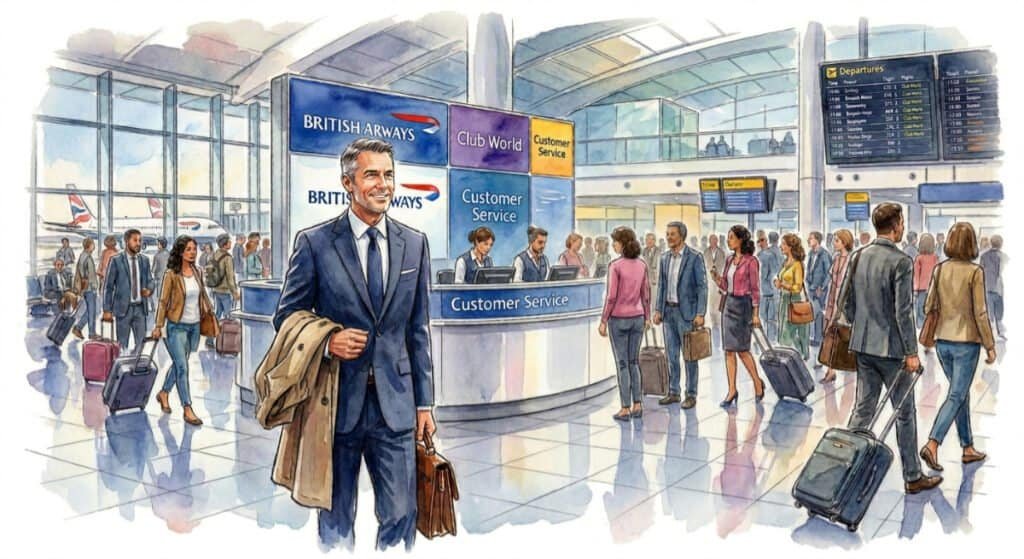
If you’re someone who still loves a fast pace, that’s cool. If you’re fighting against slowing down, that makes sense too. If you’re in between – slowing down in some areas but not others – that’s probably the most common experience.
This post isn’t trying to convince anyone to slow down. It’s just asking if you are, and what that looks like to you.
Are you someone who still prefers a faster pace, even as you’ve gotten older?
The Things We Notice When We Slow Down
When you’re rushing, you miss things. That’s just how it works. You get where you’re going, you check the boxes, and you keep moving.
When you slow down, different things become visible.
You notice the weather. How the rain sounds, and how the air feels different.
You notice people. The clerk at the store you’ve been going to for years. The neighbor you’ve seen a hundred times but rarely ever talk to. The look on someone’s face that tells you they’re having a rough day.
You notice your own thoughts. When you’re not constantly filling time with productivity or distraction, your mind has space to wander. Sometimes that’s uncomfortable. Sometimes it’s where the good ideas come from.
You notice what you actually enjoy now.
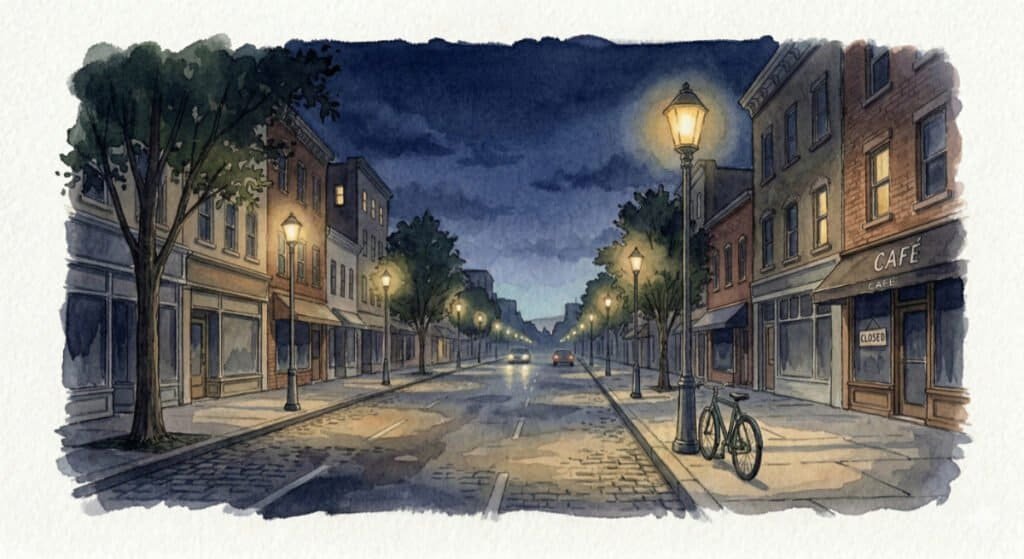
For me, it’s those walks. I notice things about the neighborhood I’ve lived in for years. New buildings on streets I’ve walked down a thousand times. The rhythm of who’s around and when.
Not life-changing. Just noticing.
What do you notice now that you missed when you were rushing?
Your Experience With Pace
So here’s what I’d like you to tell me:
Are you slowing down as you get older?
Is it happening naturally, or are you fighting it? Does it feel like relief, letting go, or loss? Are there parts of your life where you’re slowing down and other parts where you’re going faster than before?
What actual things do you do slowly now?
And if you’re not slowing down – if you’re still thriving on a busy schedule and a fast pace – what’s your motivation for that?
There’s no right answer here. I’m just wondering what your experience has been. Have you embraced it, resisted it, or found yourself somewhere in between?
How has your relationship with pace changed over the years?

Share your thoughts below. I respond to every comment, and your experience often helps others more than mine does.