
For over twenty years, I’ve asked my English students in Japan the same question: “What’s your dream?”
Their eyes light up. They talk about travelling abroad, living at Disneyland, getting the next iPhone. It cuts through all the everyday small talk and shows you what someone actually cares about.
But lately I’ve been turning the question back on myself. And what I’ve noticed is that the dreams I have now – at nearly 60 – barely resemble the ones I had at 30. Not because I’ve given up. More because life has had its say, and somewhere along the way the thing I was chasing quietly became something else.
Maybe getting older doesn’t mean giving up on dreams. Maybe it means learning which ones still belong to us.
Table of Contents
When Dreams Are About Proving Something
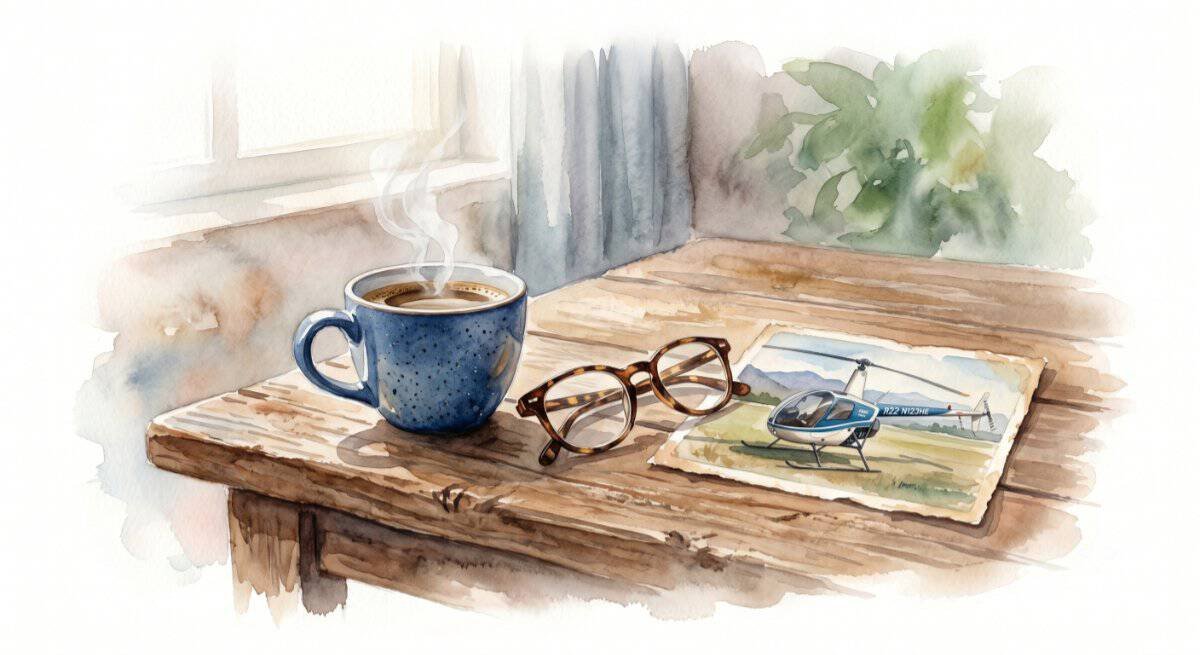
In my twenties, dreams were loud. I chased a helicopter pilot licence, partly inspired by Brian Tracy’s whole “go after crazy big goals” school of thought. Back then, the dream wasn’t really about helicopters. It was about proving something to myself, maybe to others too. Building a future. Showing that the big thing was possible.
That energy is real and necessary when you’re young. You need some unreasonable belief in yourself to attempt anything difficult. The dream is partly the fuel.
But it’s also tied to an audience – real or imagined. The younger version of the dream often has a witness. Someone you imagine watching from the sidelines.
When Dreams Change Shape
Somewhere in your forties, if you’re paying attention, something changes.
The dreams don’t disappear. But they stop being about building a future and start being about something harder to name. Connection. Presence. Making good on the things that matter before it’s too late.

I still have one dream that hasn’t changed: riding a motorcycle around Japan, or back through the UK. I picture it regularly. The Yamaha Niken GT, if I’m being specific. That dream hasn’t faded – but what it means has changed. It’s less about adventure now and more about reclaiming something. A part of myself that got set aside while life happened around it.
That shift – from chasing to reclaiming – seems to be one of the most common things that happens to dreams in midlife. You stop inventing new ones and start returning to the ones that were always true.
Have your dreams gotten bigger or smaller as you’ve aged?
The Dreams That Become More Urgent
Some dreams don’t fade with age. They get heavier.
My father is getting older. I’m here in Japan; he’s back in the UK. That distance, which once felt manageable, feels different now than it did five years ago. The dream of spending real time with him – not a quick visit, but actual unhurried time – has moved up the list in a way I didn’t expect.
I’ve written elsewhere about how my relationship with the idea of “going back” to the UK has changed. But the pull toward him specifically has only grown stronger. There’s a difference between dreaming about a place and dreaming about a person.
That distinction seems to come with age too. The geography matters less. The people matter more.
When Real Life Becomes the Dream
Not all dreams get reclaimed or transformed. Some fall away, and something quieter takes their place.
For a while, farming three days a week felt like something I was doing around my real life – the thing I did while waiting for the bigger thing to happen. Somewhere along the way it became the real life. The rhythm of it, the physical work, the visible results at the end of a day – it’s become something I’d genuinely miss if it disappeared.
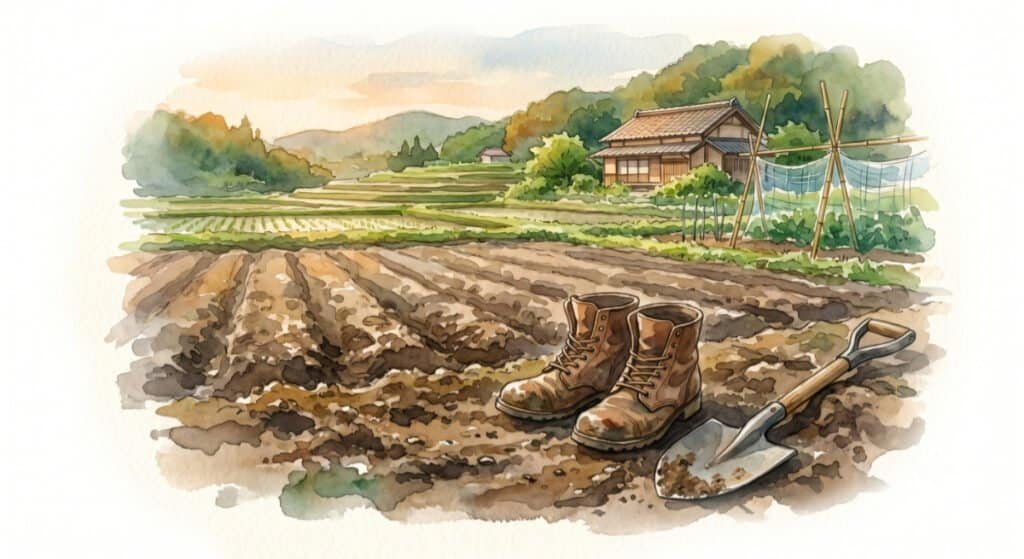
I’m not sure I’d have called that a dream at 25. But I’m not sure it matters. Sometimes what we end up with is better than what we were reaching for, even if it doesn’t look like success from the outside.
That’s the part that’s hard to admit when you’re still in the middle of figuring it out: some dreams were right to let go of. Not because you gave up, but because what replaced them fits better.
The Story We Tell Ourselves About Success
Here’s the part I find harder to write.
There’s a version of “my dreams have evolved” that is genuinely true – and there’s a version that’s just what we tell ourselves so the gap between where we are and where we thought we’d be doesn’t sting so much. Both can exist in the same person at the same time.
I think about money sometimes. Not obsessively, but honestly. After years of work, I don’t have much to show for it financially. The online projects, the creative side of things – they’ve been meaningful, but they haven’t been lucrative. And at nearly 60, that’s occasionally a weight rather than just a fact.
I’m not sure whether I’ve made peace with that or just got tired of fighting it. Maybe those are the same thing after long enough.
What I do know is that the question “have I made it?” has mostly stopped interesting me. What’s replaced it is something quieter: am I doing the things that are actually mine to do? That’s a harder question. But it feels like the right one for this stage of life.
What Dreams Are Actually For
A few days ago I was using Simon Squibb’s book What’s Your Dream? as lesson material with one of my bosses, who also studies English with me. It’s aimed at that younger version of yourself – the one who’d chase things with unreasonable hope and bottomless energy.
Reading it at nearly 60, I didn’t feel nostalgic exactly. It was more like appreciation – for the younger me who needed that kind of fuel, and for the older me who no longer runs on quite the same thing.
Maybe that’s what dreams are for at this stage. Not fixed targets, exactly, but a sense of direction. Not proof of who you are, but small reminders of what still matters when everything else falls away.
The students I teach still have the wide-open kind. I ask first-time trial students, and I revisit the question with group students every few months. Their answers still light up the room. I don’t envy them exactly. But I do remember what it felt like to be that certain about what you wanted.
What I have now is different. Less certain, maybe. But more honestly mine.
What about you – have your dreams changed shape over the years, or do you still carry the same ones you had at 25? I’d be curious what’s shifted, and what’s stayed.

Related Reads on OldDogZeroTricks
- Chasing Dreams vs. Chasing Money
- The Modest Dreams We Can’t Afford
- When Your Mission Ends: Finding Purpose After Loss (人生の目的)

Grant Barker here (aka OldDogZeroTricks). I’m a British expat living in Japan, teaching English, growing vegetables, and writing honestly about aging, purpose, and figuring things out – without the BS.
This blog is where I talk about the stuff most people keep to themselves – the embarrassing truths, the questions we don’t ask out loud, and what it feels like to keep going, one ordinary day at a time.