

In feudal Japan, samurai who lost their masters became 浪人 (ronin), warriors without direction, wandering until they found new purpose. The feeling of being unmoored when your life’s mission suddenly ends isn’t unique to ancient warriors. It happens when relationships conclude, careers change, or the thing that gave your days meaning disappears. This post is about recognizing when it’s time to change missions and finding what comes next.
If you’ve felt lost after something that structured your life ended, this might help you see where you are in the journey.
Table of Contents
The Warriors Without Masters (侍 and 浪人)
In feudal Japan, the samurai (侍) built their entire identity around service and loyalty. They served their lord with discipline and dedication. Their mission (目的 – mokuteki) gave structure to every day, meaning to every action, and purpose to their existence.
When that mission ended, whether through their lord’s death, dismissal, or defeat, they became something else entirely: 浪人 (ronin). The word literally means “wave person,” someone drifting without an anchor or direction. Ronin weren’t failures or cowards. They were warriors caught between purposes, wandering until they found a new master or forged a different path.
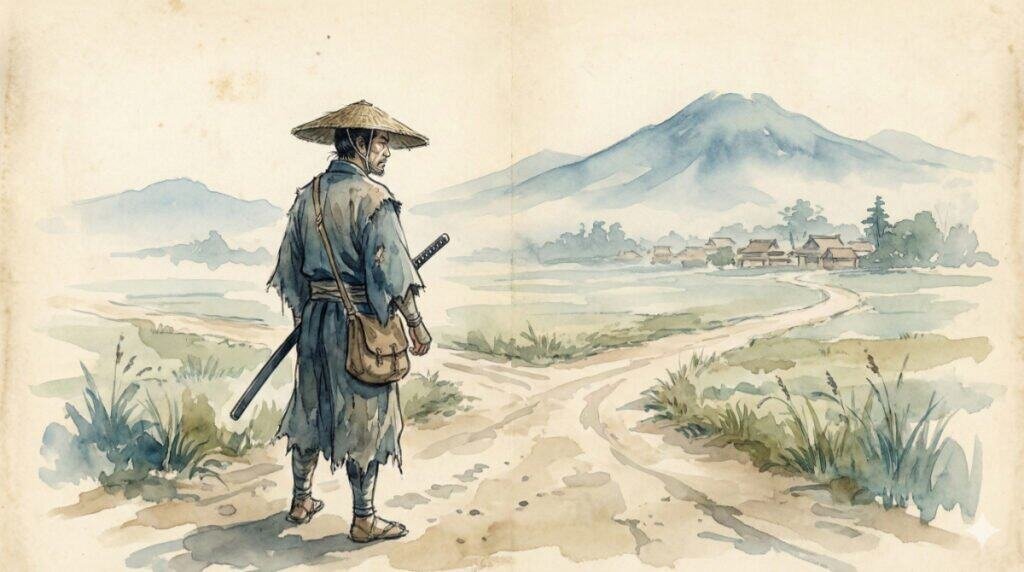
The ronin period was real and often painful. Everything that had defined them was gone. The structure, the meaning, the identity tied to service had vanished, leaving them to figure out who they were without it.
Have you ever felt adrift when something that gave you purpose ended?
When Modern Missions End
That sense of purposelessness when your mission ends isn’t confined to feudal Japan. It happens across all of our lives in different forms:
A relationship that lasted decades ends, and suddenly the daily rhythms that structured your life disappear. The person you cooked for, planned around, shared decisions with is gone. The mission of partnership has concluded.

A career you built for thirty years reaches retirement, and the identity you carried as teacher, engineer, nurse, salesperson, manager evaporates overnight. The work that gave your weeks meaning has finished.
Raising children becomes your entire focus for twenty years, then they leave for college or their own lives. The mission of active parenting changes into something else, leaving a gap where all that energy used to go.
Health changes force you onto a different path. The activities that defined you become impossible, and you have to discover who you are when the thing you loved doing is no longer an option.
These are modern versions of becoming ronin. The mission (目的) that structured your days, gave you purpose, and defined your identity has ended. You’re wandering in the gap between what was and what’s next.
What mission or purpose has ended in your life, leaving you wondering what comes next?
Did You Know? The Famous Ronin
Not all ronin were destitute wanderers. The most famous samurai in history, Miyamoto Musashi, was a ronin. He never served a lord for long, yet he mastered the “Way” through self-discipline and art. Being a ronin wasn't just about losing a job; for some, it was the ultimate freedom to find their own truth.
Recognizing When It’s Time to Change

Sometimes you don’t choose when a mission ends. It’s taken from you through loss, change, or circumstances beyond your control. Other times, you begin noticing signs that one chapter is completing and another is calling.
The attachments that once felt essential start feeling hollow. Work you cared about becomes going through the motions. Relationships that structured your days feel different, and distant. The place that was home begins feeling temporary, like you’re already halfway somewhere else.
Energy that used to flow toward one thing starts changing naturally toward another. You catch yourself thinking about possibilities you’d dismissed before. Plans that felt theoretical start feeling real.
This isn’t giving up on what was. It’s recognizing that missions have seasons, and some seasons complete themselves whether we’re ready or refuse to acknowledge it.
I’m experiencing this myself. After nearly twenty years in Japan, I’m starting to see a new mission emerging back in the UK, supporting my aging father as he deals with his own transitions. The shift from one purpose to another hasn’t been instant. For almost two years, I’ve felt that emptiness, that sense of being without direction. Only recently has the next direction started feeling real instead of just an idea I was considering.
The old mission hasn’t failed. It’s completing. And something new is asking for attention.
What signs tell you one mission is ending and another might be emerging?
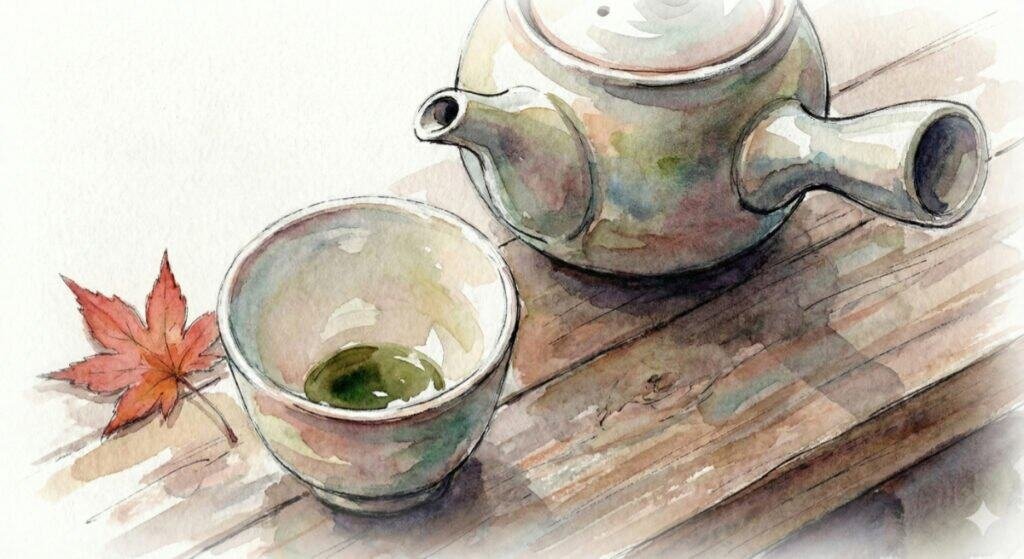
The Empty Period Between Missions
There’s usually a gap between missions, and it can be rough. A period where the old purpose is gone but the new one isn’t clear yet. This empty time can last weeks, months, or sometimes years.
It feels like being broken. You go through your days, but everything that used to matter doesn’t carry the same weight. Friends, work routines, hobbies, and the things that filled your time are still there, but the energy has changed and they feel hollow. You’re functioning but wandering.
This isn’t failure. It’s transition.
The ronin (浪人) didn’t find new masters immediately. They wandered. They survived. They waited for clarity about what came next. Some found new lords to serve. Others created different paths entirely. The wandering itself was part of the journey.
What helps during this empty period varies for everyone. For some, it’s maintaining simple routines even when they feel meaningless. For others, it’s allowing themselves to drift without forcing anything. Sometimes it’s trusting that the gap between missions has its own purpose, even when you can’t see it yet.
You can’t rush through this period by sheer willpower. Purpose emerges when you’re ready for it, when circumstances align, or when the next mission makes itself clear.
How long have you been between missions, and what helps you stay grounded?
When the Next Mission Finds You
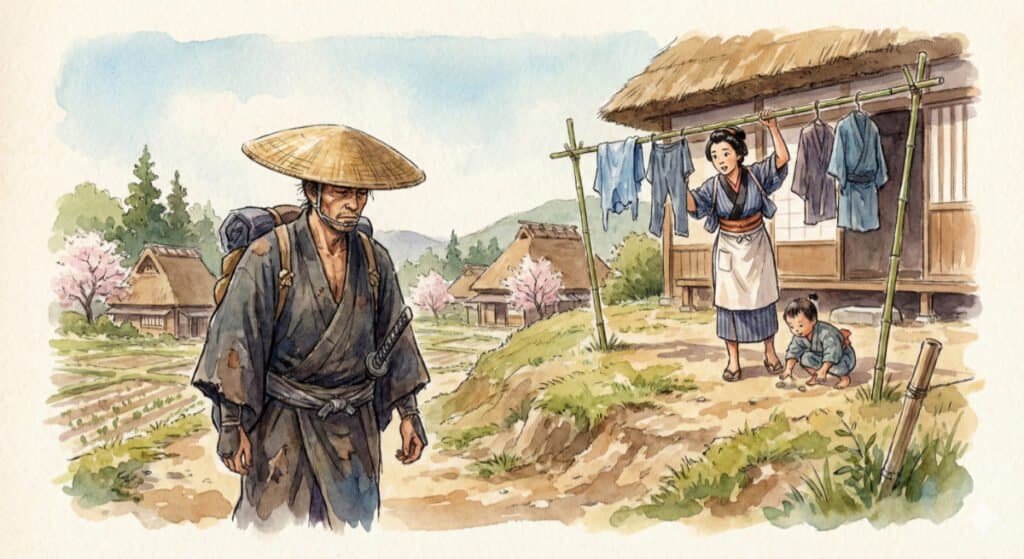
Sometimes you don’t have to search desperately for new purpose. It finds you.
A parent’s health declines and suddenly you know what you need to do. An opportunity presents itself that feels right in ways you can’t fully explain. Something inside you changes and what was unclear becomes obvious. The fog lifts and direction appears.
Other times you have to seek it more actively, trying different things until something resonates.
What matters is recognizing when a new mission (目的) is emerging and being willing to follow it, even when it means leaving behind what was comfortable or familiar.
The next mission might look completely different from the last one. You might move from partnership to solitude, from career ambition to simpler work, from one country to another, or from raising children to caring for aging parents. The form doesn’t matter as much as the sense of purpose it brings back into your life.
You’ll know it’s real when your energy starts flowing again. When plans stop feeling theoretical and start feeling necessary. When you catch yourself already thinking like someone whose next chapter has begun.
Is your next mission finding you, or are you still searching for it?
Honouring What Was While Moving Toward What’s Next (新しい目的)
Moving toward a new purpose doesn’t mean dishonouring what came before.
The relationship that ended still mattered. It shaped who you became. The career that concluded gave you skills, experiences, and identity. The place you’re leaving taught you things you’ll carry forward. The mission that’s complete deserves gratitude, even as you step toward something else.
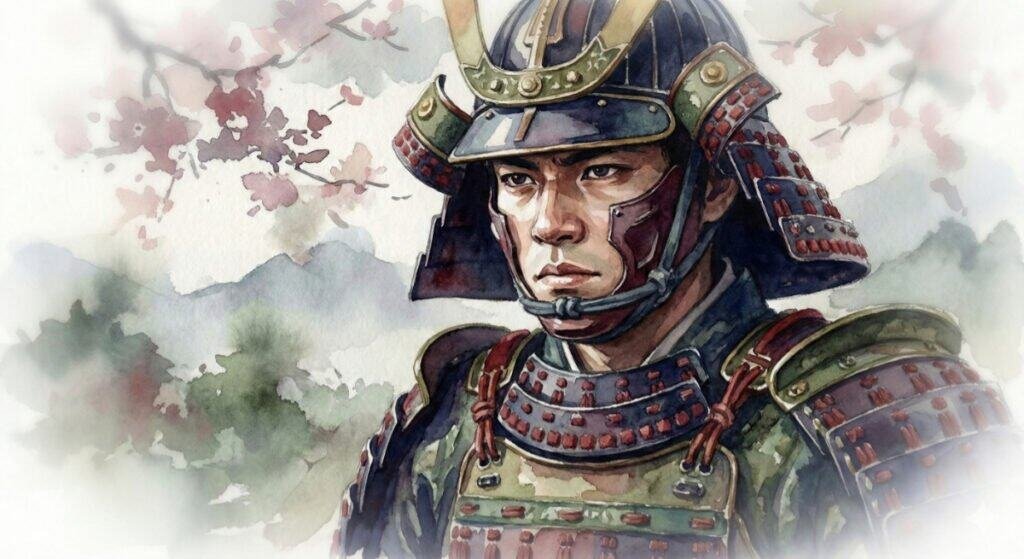
The samurai (侍) who became ronin (浪人) didn’t stop being warriors. Their training, their discipline, and their understanding of loyalty remained. When they found new masters or new paths, they brought everything they’d learned with them. The wandering period didn’t erase what came before. It prepared them for what came next.
Maybe our past has shaped us into what we need to be.
You can respect what a place gave you while closing that chapter. You can honour a partnership that ended while opening yourself to different connections. You can appreciate a career while stepping into retirement. Gratitude and transition can honour each other.
The ronin who found new purpose weren’t betraying their old lords. They were continuing their journey in the only way left available to them. You’re doing the same.
How do you honour what was while embracing what’s coming?
FAQs: Navigating the ‘Empty Period’ After a Major Life Change
Is it normal to feel completely lost after retiring or a major relationship ends?
Yes. When the structure that defined your days disappears, it is natural to feel adrift. In the ronin metaphor, this is the “empty period.” It feels like being broken, but it isn’t a failure – it is a transition. You are functioning without an anchor while waiting for the next chapter to begin.
How long does the “empty period” last before finding a new purpose?
There is no set timeline. For some, the gap between missions is brief; for others, it takes months or years. You cannot rush through this period by sheer willpower. The key is to maintain simple daily routines to stay grounded, allowing yourself to drift without forcing a new purpose before you are ready.
How do I figure out what my next life mission is?
Sometimes you don’t have to actively search; it finds you as your circumstances change – like recognizing a need to care for aging family members. You will know your next mission is emerging when your energy naturally starts flowing in a new direction, and ideas that once felt theoretical suddenly feel necessary.
Does moving on to a new purpose mean abandoning my past identity?
Not at all. Just as a masterless samurai retained their rigorous training and discipline, you carry forward everything you learned from your past career, location, or relationship. Moving forward is about honouring the mission that completed itself while applying those strengths to whatever comes next.
Your Mission, Your Path
Some people find a new purpose quickly. The gap between missions is brief, and clarity arrives almost immediately. Others wander much longer, spending months or years before the next direction emerges.
Both timelines are right, and both journeys are real.
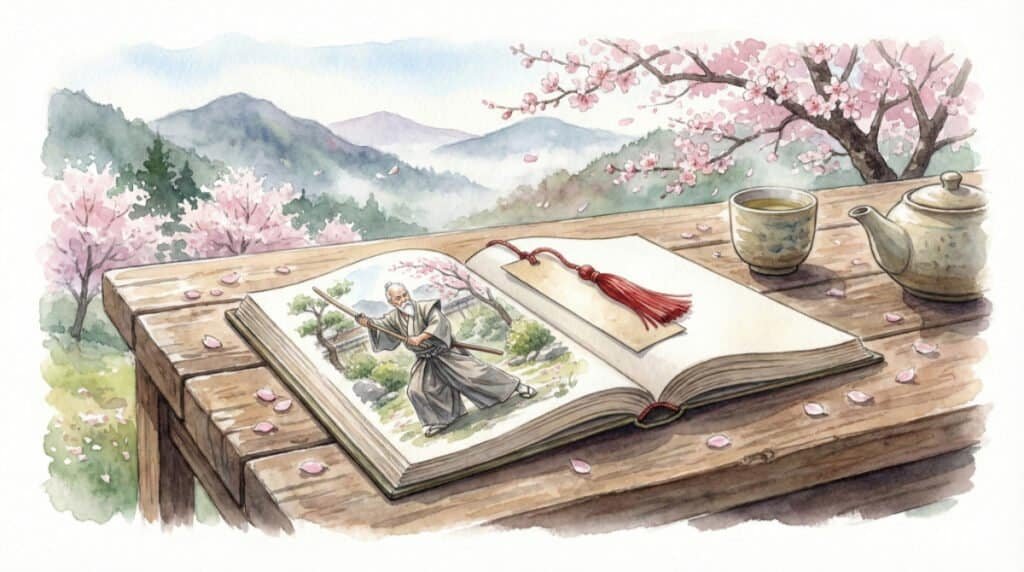
If you’re still in the wandering period, that’s okay. The ronin didn’t all find new masters on the same schedule. What mattered was staying open to possibilities, maintaining their skills and discipline, and recognizing direction when it finally appeared.
If you’re starting to see your next mission take shape, trust what’s emerging. The transition from wandering to purpose doesn’t require permission or perfect timing. It requires willingness to follow what’s calling you, even when the path isn’t completely clear yet.
Your next mission (目的) is out there. Maybe it’s already finding you and you’re just beginning to recognize it. Maybe it’s still forming and will reveal itself when the time is right. And maybe you’re actively building it, piece by piece, day by day.
What matters is knowing you’re not broken because a mission ended. You’re between chapters. You’re a warrior without a master, but that doesn’t mean you’ve stopped being a warrior. It just means your next service, your next purpose, and your next direction is still taking shape.
The empty period will end. The next mission will emerge. And when it does, everything you learned during the wandering will come with you.
What does your next mission look like, even if you can only imagine the outline right now?
日本への感謝と、ここから続く旅路へ (Gratitude to Japan, and the Journey That Continues Here)
日本の読者の皆様へ (To my Japanese Readers)
最近、家族に会うために短い期間イギリスへ帰国しました。離れた場所から自分の生活を見つめ直したことで、はっきりと気づいたことがあります。イギリスへ本帰国する準備を進めていましたが、私の旅はまだここ日本で続くのだということです。
このブログ記事では、侍が主君を失い「浪人」となった時の心情を、現代の私たちの人生の転機——仕事の退職、別れ、あるいは役割の変化——に重ねて書いてみました。
かつて侍は、主君への忠誠(ミッション)を失うと、次の道が見つかるまで「浪人」として彷徨いました。私もまた、個人的な喪失感を抱え、日本での生活に一区切りがついたと考え、しばらくの間、心の行き先を探していました。
しかし、浪人は決して「終わり」ではありません。それは次の主君、あるいは新しい志(こころざし)に出会うまでの準備期間です。
イギリスで家族と過ごす中で、そのまま母国へ戻る道も考えました。しかし、私にとっての「新しい志」は、やはりこの日本にあると確信しました。年齢を重ねても、ここで叶えたい夢があり、やり遂げたい仕事があります。日本で学んだ誠実さ、尊敬、そして忍耐は、私の人生の大切な財産です。侍が新たな決意を胸に再び歩み出すように、私も日本への深い感謝と共に、この場所で次の章へと進みます。
これからも、どうぞよろしくお願いいたします。

Related Reads on OldDogZeroTricks
- We Got Divorced But Kept Living Together
- Are You Too Comfortable?
- How Small Daily Anchors Keep Us Steady

Grant Barker here (aka OldDogZeroTricks). I’m a British expat living in Japan, teaching English, growing vegetables, and writing honestly about aging, purpose, and figuring things out – without the BS.
This blog is where I talk about the stuff most people keep to themselves – the embarrassing truths, the questions we don’t ask out loud, and what it feels like to keep going, one ordinary day at a time.