

There’s a kind of financial stress most people hide, the constant mental maths that comes with living paycheque to paycheque. For some of us, the numbers stay tight, but the panic fades as our relationship with scarcity changes. This isn’t about money advice, it’s about noticing when worry helps and when it doesn’t.
Table of Contents
The Financial Stress Everyone Hides
Millions of people live paycheque to paycheque. Doing mental calculations before purchases, feeling the pressure when something unexpected hits, and performing ‘fine’ while doing maths in your head.
Financial struggles feel like something to hide. Like admitting you failed at being an adult while everyone else figured it out. The exhausting part isn’t just the scarcity. It’s the shame. The hiding. Pretending you’re fine while carrying it all privately.
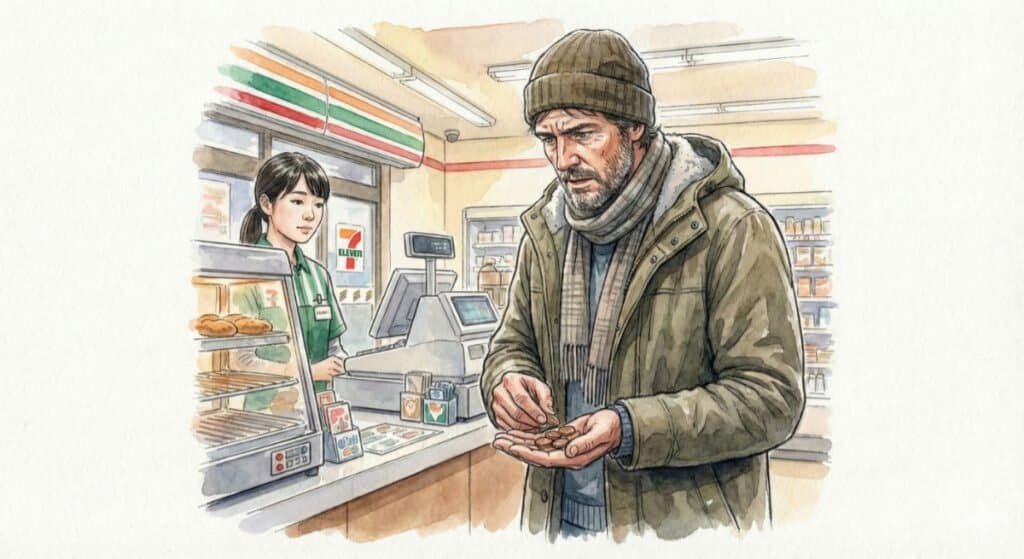
This financial stress can affect more than bank accounts. Health decisions get delayed until there’s more cushion. Relationships get limited because you can’t do things that cost money. Dreams get pushed to “someday” because right now doesn’t have the breathing room.
I counted coins this morning. Enough for maybe two days until payday. Just tight, the familiar calculation of what’s essential and what can wait. Maybe you know this feeling too: the awareness of every dollar, or the mental budget that runs constantly in the background.
Who actually knows your real financial situation?
Crisis vs. Chronic: The Two Types of Financial Stress
There’s crisis stress: real danger, actual emergency, the kind that demands immediate action. Lost job, medical emergency, eviction notice. This stress serves a purpose. It gets you moving to solve a real problem.
Then there’s chronic low-level panic: the numbers work out, barely, but you’re always waiting for the next expense.
A lot of us carry the second type when the first type isn’t actually happening. The situation is tight but stable. Payday comes. Bills get paid. Food gets bought. But the worry keeps running in the background like an app you can’t close.
I realized years ago I’d been carrying panic when my actual situation was tight but functional. The stress wasn’t solving anything, it was just tiring. The numbers were the same whether I panicked or didn’t. Plus, the mental space the panic takes up in your head? That has a cost.
The difference isn’t how much money you have, it’s whether the stress is actually doing anything.
Telling the difference between “I need to take action” stress and “I’m just spinning my wheels” stress matters. One mobilizes you. The other just wears you out.
Is your stress solving anything, or just exhausting you?
The Cost of Looking Comfortable
Some people look comfortable but are drowning in debt. Credit cards keeping up appearances. Loans for lifestyles they can’t actually afford. The performance of success while the financial stress runs underneath.
You see it everywhere. Impressive-looking lives, nice things, experiences that cost money. And buried in the background: payment plans, minimum payments, and the constant juggle of keeping it all afloat.
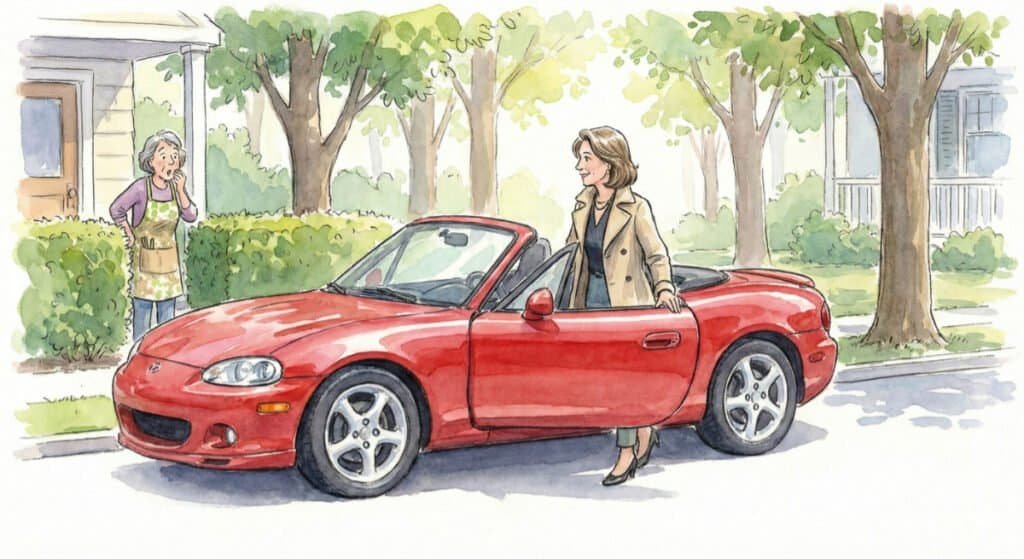
There’s a gap between seeming comfortable and being comfortable. Between looking successful and feeling okay. Some people choose the appearance and carry the debt stress. Others choose simplicity and skip the performance.
I see people with lifestyles I can’t afford but maybe credit card debt I don’t have. I walk to the convenience store in old but warm clothes. Different choices. They have more, they owe more. I have less, I owe nothing. Neither approach is wrong. Just different values about what’s worth the cost.
The pressure to look like you have it together costs more than just money. It costs peace of mind.
Are you spending money you don’t have to look like you have it?
Living Within Your Means (Even When Means Are Tight)
There’s dignity in living within your means, even when your means are tight.
Some people take on debt for education, homes, opportunities that open doors. Strategic debt that serves a purpose. Some people use credit wisely and manage it well. Both approaches can work.
Others choose to owe nothing, even if it means having little. No credit cards, no loans, no payment plans for things they can’t afford outright. Simplicity with limits rather than complexity with stress.
I haven’t had a credit card in over 20 years. No bank loans. I don’t have much, but I don’t owe much either. The trade-off: modest living, but mostly enough sleep. Limited options, but no debt stress.
Different people make different choices based on their values and circumstances. Someone building a business might need debt to grow. Someone supporting family might use credit strategically. Someone valuing simplicity might choose less over owing more.
The question isn’t which approach is right. It’s: what trade are you making, and is it really serving you?
When It’s Your Fault (And Still Doesn’t Mean Panic)
Here’s the part where honesty matters: sometimes tight finances are partly your fault. Choices made, opportunities not taken, money spent on convenience when cooking would’ve been cheaper. My bad.
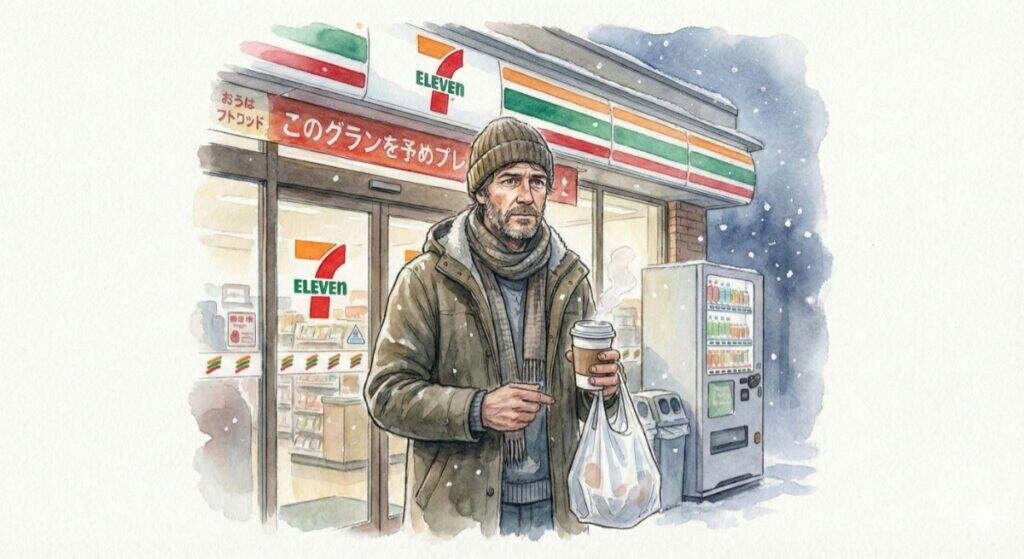
I’ve lived out of convenience stores for close to 20 years. Could I have saved money cooking at home? Absolutely. Have I made choices that kept money tight? Yes. 7-Eleven for two decades when rice and vegetables would’ve cost less.
You can own up to your situation without drowning in shame. Acknowledging responsibility doesn’t require urgency. You can recognize you could change things without feeling like you must change everything right now.
Letting go of panic gave me more time to stay positive. I don’t think it made me careless.
Some might consider this magical thinking. For me, it’s the difference between ‘I’ll figure something out’ and ‘I’ll panic until I do.’
Taking responsibility doesn’t have to mean beating yourself up constantly. It just means being honest: yes, I made choices. Yes, I could make different ones. And also: beating myself up constantly wouldn’t improve anything.
Some people need this honesty to motivate change. Others already know their role and don’t need more guilt piled on.
The gap between “I could change this” and “I must change this immediately” is where a lot of people find breathing room. Not giving up, not being careless, but accepting that change happens at different paces for different people.
What financial choice could you change but haven’t yet?
When Tight Finances Delay What Actually Matters
Here’s an example of where tight finances stop being abstract and start affecting real life: I’m planning to move back to the UK this year to help my aging father. Mentally, I’m ready. Emotionally, the decision is made. But financially? That’s what’s holding me back.
If I had more money, I could give my bosses a month’s notice and make the move. But I don’t have enough to close up my life here and fly back without stress. I certainly don’t want to burden my Dad. I need to pay my way. So instead of investing in that transition, I’m stuck balancing expenses here, considering what I might sell, and figuring out ways to cut down so that moving becomes possible.
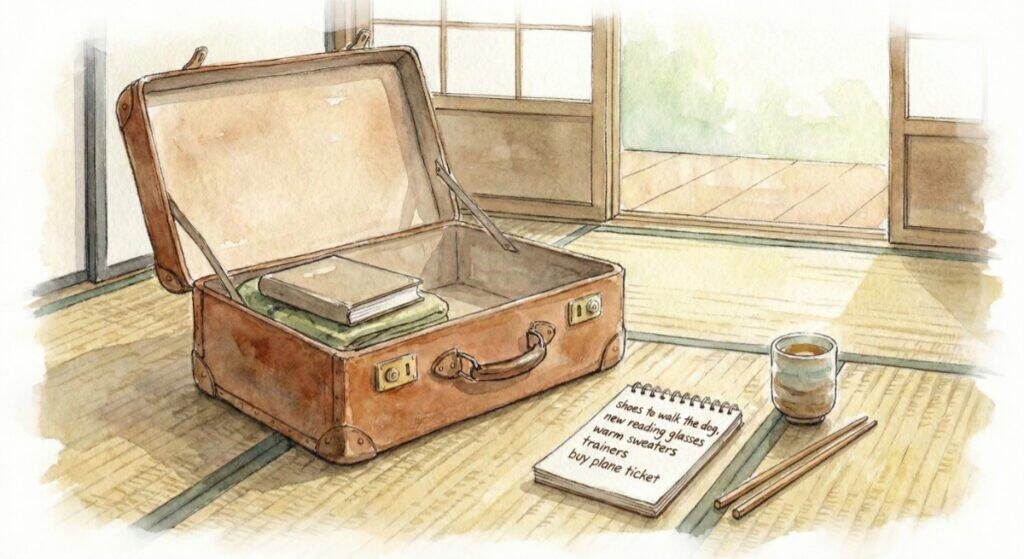
My financial situation isn’t just limiting daily purchases, it’s influencing major life decisions. The thing that actually matters, helping family, gets delayed because the reality of not having savings makes the big moves harder.
This is where “just be grateful for what you have” advice doesn’t hold up.
A lot of people carry this. The knowledge that something important needs to happen, with money standing in the way.
What important decision is money delaying for you right now?
What Money Can’t Buy (That Makes Life Feel Rich)
Tight finances create real limitations, yes. But having less money doesn’t necessarily mean having less life.
The things that make days feel full, like connection, movement, creation, small moments of peace, don’t require much money. Some require none.

Early morning walks cost nothing. Conversations with people about their lives and dreams – that’s my work, but the meaning goes beyond the paycheque. Physical work that tires you out in a good way. Writing that helps you think. Teaching that connects you to others.
This isn’t about pretending limitations don’t exist. It’s about recognizing that wealth and richness aren’t the same thing. You can have tight margins and still feel like your days matter. You can have modest means and still experience life as full rather than small.
Different people find this in different places. Maybe it’s time with family, creative work, helping others, being outside, or learning something new. The specifics vary, but the principle holds: the things that make life feel meaningful rarely show up on a bank statement.
What makes your life feel rich when money is tight?
The Truth We All Carry
Financial stress is common. The shame around it is universal. The gap between what we have and what we think we should have: most of us feel that.
Some people stress productively and use it to change their situation, while others might worry unproductively and just exhaust themselves. Some can find peace living tight, but others can’t rest until they have more cushion.
They’re just different ways of dealing with the same basic reality: resources are limited, needs are real, and how we handle that gap varies.
What if tight finances weren’t treated like personal failure? What if living simply was seen as a valid choice rather than something to hide?
Maybe nothing would change. Maybe a lot would.
The financial stress is real. The limitations are real. But the shame? That’s optional. The panic that doesn’t serve you? That’s optional too.
You get to decide what relationship you have with scarcity, and when worry is useful and when it’s just noise. You can decide what trade-offs are worth it and which ones aren’t serving you anymore.
Tight finances might not change quickly. But how you deal with them? That can.
Free Spending Tracker (Nischa)
Here’s a link to a free Intentional Spending Tracker from YouTuber and financial accountant Nischa. It’s easy to set up and use to keep a closer eye on your money coming in and going out.

Related Reads on OldDogZeroTricks
- The Modest Dreams We Can’t Afford
- Redefining Success: Beyond the Paycheque
- What Would You Do If Money Wasn’t an Issue?

Grant Barker here (aka OldDogZeroTricks). I’m a British expat living in Japan, teaching English, growing vegetables, and writing honestly about aging, purpose, and figuring things out – without the BS.
This blog is where I talk about the stuff most people keep to themselves – the embarrassing truths, the questions we don’t ask out loud, and what it feels like to keep going, one ordinary day at a time.