

For most of my adult life, if I had work, even just one hour, my entire day bent around it. Everything else became secondary. Showing up “properly” mattered more than anything else.
Four days off over New Year reminded me of something years of working hadn’t: regulating your schedule may matter more to your happiness than your salary or success.
This isn’t about abandoning responsibility or caring less about work. It’s about evolving toward a healthier work-life balance mindset – taking work off the pedestal where it quietly dominates our time, our energy, and our sense of self, and bringing it back to where it can coexist with the rest of our lives.
Table of Contents
The Day That Bent Around One Hour
For years, if I had work, even just one hour of teaching, my entire day organized itself around that single commitment.
I’d wake up thinking about it. Plan meals around it. Try to force sleep the night before, even if I wasn’t tired. The whole day existed in service of showing up properly for that one hour.
It wasn’t just about the work itself. It was the weight I gave it. A formal mindset would take over, and everything else – my happiness, my interests, the time I needed to feel like myself – became secondary.
Maybe you’ve done this too. One meeting dominates your whole Tuesday. One work shift makes your weekend feel like it barely exists. One obligation dominates everything.
I’m not saying work doesn’t matter. Responsibility matters. Showing up matters.
But at some point, I started wondering: when did the stress of preparing for work become bigger than the work itself? When did I put work on such a high pedestal that it crowded out the rest of who I was?
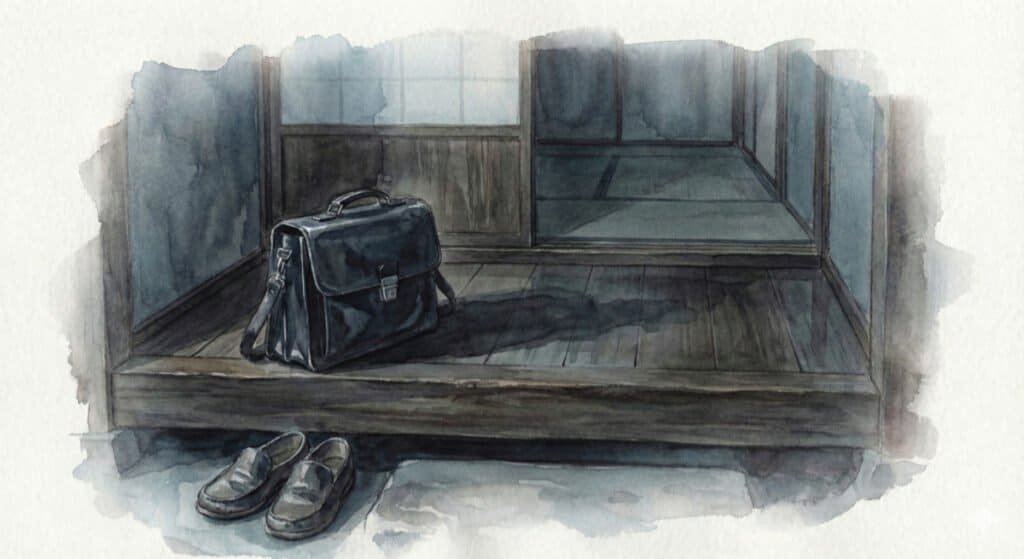
Have you ever let one hour of work dominate your entire day?
What Four Days Off Revealed
Here in Japan, I had four consecutive days off over New Year. Then after a week back at work, another Monday off for a national holiday (I’d volunteered to work the Monday farming alone, but changed my mind.)
Those breaks reminded me of something I overlook: what it feels like to have enough time to be yourself.
I’m not talking about escaping responsibility, or just recovery from being tired. I mean time to think. Time to write. Time to walk to 7-Eleven for coffee without rushing. Time to plan, to dream a little, to work on this blog without the next day’s formalities creeping in.

During those days, I’d get up early, grab coffee, write for a while, maybe take a longer walk. And when I did have work scheduled, I showed up more relaxed, more present – more myself.
The work didn’t change. The slower pace around it did.
And that slower pace made all the difference.
When was the last time you had enough free time to be yourself?
The Car Shop Guys
I live near a car repair shop. Panel beating, paint work, that kind of thing. Every time I walk to 7-Eleven or cycle to the farms where I work, I see the same guys working hard.
That place is open maybe six days a week. Always busy. Looks like they have contracts with insurance companies or something.
I’ve nodded to the boss a few times. Don’t get much of a response, but no big deal. I’m a foreigner here, and not everyone’s interested in small talk with the nearby residents.
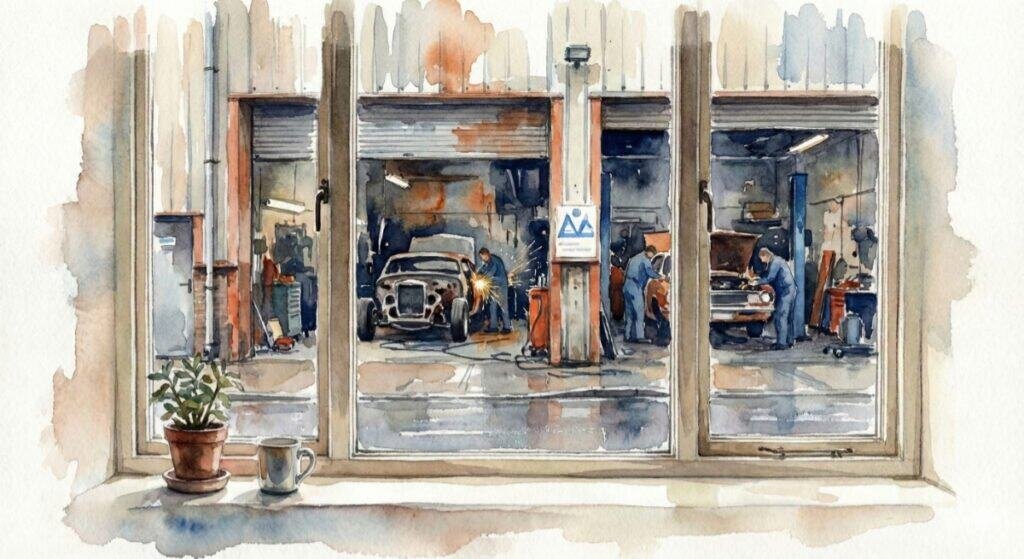
Sometimes I imagine those guys must really love their work. Especially the boss. Maybe they do.
But sometimes I look at them always working and wonder: How do they balance their days? Do they have families and the money supports a good life? Have their kids moved out and too much free time at home wouldn’t be ideal?
Truth be Told
Truth be told, seeing them work constantly makes me feel guilty. Like I’m not pulling my weight. I live paycheck to paycheck as it is, which already plays on my conscience. And here I am taking national holidays off, drinking coffee, and writing blog posts that don’t earn money.
But then I remember all those interviews with old people who say their biggest regret was working too hard. Nobody on their deathbed wishes they’d spent more time at the office.
Maybe constant busyness looks admirable from the outside. But I’m not sure it always serves the people doing it.
Do you ever feel guilty for not working as much as people around you?
When Work Comes Off the Pedestal
Something changed for me over the last couple of years. Maybe since living alone again, the way I think about work and happiness has changed.
I used to plan everything around work. If I had a lesson at 3pm, the whole day bent around it. Staying home, preparing mentally, treating that one hour like it was sacred.
Now? I plan the day first, then fit work into it.
If I have a lesson at 3pm, I might get up early, walk to 7-Eleven, spend a few hours writing or working on the blog, maybe take another walk. By the time I arrive, I’m happier. Less stressed about performing perfectly. More like myself.
I still show up. I’m still responsible. And the work still gets done.
I’m just not worshiping it anymore.
My father figured this out in his 50s, I think. He was a salesman but also loved golf. Around that age, he started scheduling Fridays to be mostly free so he could play. I thought it was cool then, and I fully understand it now, too. You have to invest in yourself.
As we get older, we realize that being ourselves matters more than perfect performance. A younger me might have imagined a lack of discipline or weakness. The older me sees it as natural self-care.
Work still matters. But it doesn’t need to sit on such a high pedestal. It’s not worthy of idolization. Of course, it depends on your role or responsibility. I’m coming at this from an English teacher’s, farmer’s, blogger’s, and dreamer in Japan perspective.
If your work directly impacts the lives of people – you might have a very different take on this. If I were a boss for example, maybe I’d think otherwise.
The Bible, Rich People, and Thinking Like a Child
There’s a line in the Bible about becoming more childlike (Matthew 18:3). Thinking like a child.
Kids don’t worship work. They play, they create, they rest without feeling guilty. They’re present in whatever they’re doing without stressing about what’s next (other than maybe school on a Sunday evening).
I’ve also heard rich and successful people say similar things like: take risks, think like a child, enjoy the journey, smart work not hard work.
Maybe what they mean is: don’t make work so heavy. Don’t let stress about the job overshadow the work itself. Play and work can coexist if you let them.
Thinking Like an Old Child
Here’s what I’ve noticed personally: If I stress over a job I don’t enjoy, it doesn’t serve anyone. Not me, not my employer, not the customer, and not whatever purpose I’m supposed to be fulfilling.
The paycheck might come. But that paycheck isn’t an investment. It just keeps the cycle alive. The true cost is potentially mental health. One’s happiness. The ability to show up as yourself instead of some stressed version performing a role.
I’m not saying quit your job and follow your bliss or whatever. (Well, I kind of am but you didn’t hear it from me.) Most of us need to work. We have bills to pay.
But maybe we can stop treating work like it’s sacred if it’s making us feel less so.
Are you enjoying the work journey, or just enduring it?
Finding Work You Can Get Behind
Not everyone has found their calling. God’s mission, destiny, the perfect role in life. Many people don’t know what that is, and that’s okay. I’m still hoping to find mine and fit in more in my late 50s.
But following what you enjoy, or at least what you can tolerate, might be a good place to start. A decent compass.
For me, teaching gives me meaningful conversation but not much physical activity. Farming gives me exercise, visible results, something grounding. Both serve different needs. Both balance each other.

Neither is my dream job, though. But I can get behind both of them. They serve purposes I respect, even if they don’t always excite me. Especially in this cold winter.
If you hate your work, no amount of schedule regulation will fix that. The problem isn’t the schedule, it’s the work itself.
But if you can tolerate it, or even enjoy parts of it, then regulating your schedule makes all the difference.
Time off isn’t just recovery. It’s when you get to be yourself. Where you think, create, rest, plan. It’s potentially where you can shape the future, instead of inviting more of the same unfulfilling work obligations.
The Real Bottom Line
I’m not saying you need unlimited free time. Too much of that creates its own problems.
But enough time to be yourself. To think and create. To balance your physical and mental needs. To not feel like you’re constantly rushing.
That makes a difference.
These holidays reminded me that we spend so much time rushing and stressing. A comfortable amount of free time does wonders for mental health and contentment.
Regulating your schedule might matter more than your salary. More than advancing your career. More than looking busy to people around you.
You don’t need to quit your job or get rich to feel better about the daily grind. Just ask: Can I regulate this slightly? Can I take work off the pedestal without abandoning my responsibilities? Can I plan my happiness first and fit work around it instead of the other way around?
For some people, that might mean negotiating one day off per week. For others, it might mean adjusting when you work so you have mornings or evenings free. For others, it might just require a work-life balance mindset adjustment, and rethinking how much weight you give work in your head. Less weight – less stress.
What’s one small way you could regulate your schedule this week?
Your Schedule, Your Life
Work matters. Responsibility matters. In this day and age, it’s hard to imagine life without either.
But unless you’re content, perhaps neither should dominate so completely that you forget to be yourself. That you lose the time to think, to rest, to create, or just be without rushing.
As we get older, this becomes clearer. Regulating your schedule isn’t laziness or a lack of discipline – it’s wisdom. It’s mental, and often physical, survival.
The change isn’t about rejecting work. It’s about balancing it. Still showing up, and still doing what needs to be done. Just not letting it sit so high on a pedestal that it crushes everything else beneath it.
Taking work off the pedestal doesn’t mean it doesn’t matter, either. It just means bringing it down to eye level – where you can see it clearly, alongside your happiness, your time, and the life you’re trying to live.
If you could regulate your schedule just slightly, what would you change?
There are many ways to look at this conversation. Feel free to share your thoughts below. How are you looking at this topic? As a business owner, a parent, an entrepreneur? No pain, no gain? I’d love to expand on this as we venture deeper into 2026.
Thanks for reading.

Related Reads on OldDogZeroTricks
- Something I’ve Been Noticing About Being Busy
- The Guilt of Saying No (And Why It Gets Easier After 50)
- What Does Your Ideal Reset Day Look Like?

Grant Barker here (aka OldDogZeroTricks). I’m a British expat living in Japan, teaching English, growing vegetables, and writing honestly about aging, purpose, and figuring things out – without the BS.
This blog is where I talk about the stuff most people keep to themselves – the embarrassing truths, the questions we don’t ask out loud, and what it feels like to keep going, one ordinary day at a time.