
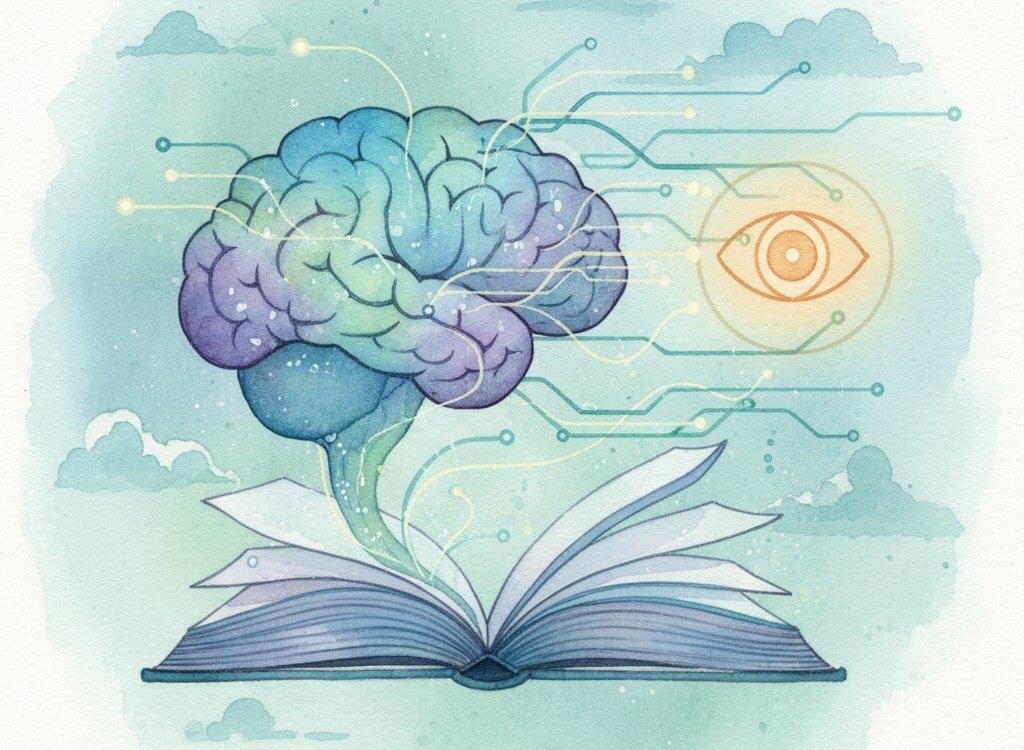
How transparent should you be with AI? It’s a question everyone using these tools faces, but rarely discusses honestly. This is my journey from privacy paranoia to complete openness: why I now tell AI everything for my blog, what that transparency actually gives me, and how the calculation changes when you’re clear about your purpose. If you’re debating how much information to share with AI tools, here’s what I’ve learned about making that choice intentionally.
Being Transparent With AI: My Journey From Paranoia to Openness
Table of Contents
The Complete Flip
Ten or fifteen years ago, I was paranoid about privacy. I mean really paranoid. Who was tracking me online? What were they doing with my data? I hated how nothing people said publicly seemed to match what was actually true. So I guarded every digital footprint like my life depended on it.
But somewhere along the way, I stopped caring.
Maybe it’s just getting older. With fewer direct family responsibilities and less to “defend,” all that constant vigilance started feeling… like a waste of time. And I realized something pretty simple: you’re either completely off the grid, or you’re on it. Once you’re on it, even if you just dip a toe in, expecting perfect privacy becomes kind of pointless.
So I did a complete 180. I stopped caring about who was listening, who knew my habits, or who was trying to sell me stuff based on my searches. I can see where this is all heading, the surveillance, the data collection, all of it. And yeah, I feel it. But I don’t fear it anymore.
Instead, I find myself kind of entertained by it. It’s actually fun to engage with this technology. And AI is just the latest, most fascinating part of that world.
This new perspective, this willingness to be transparent, maybe even too transparent, is exactly what guides how I use AI.

Have you ever gone from being super private to just… not caring anymore? What changed?
What AI Actually Needs to Help Me
Let me be clear: AI isn’t a sentient friend. I’m not expecting empathy or some deep emotional connection. What I value is its ability to “remember” things, not in a feeling way, but in a pattern-matching, context-understanding way.
To help me: to link my posts together, catch inconsistencies, balance my tone, and analyze my content, AI needs to know my complete journey. Not just a surface-level prompt. Not just one post at a time.
Remember my “Grok mistake” from the last post? Where I let Grok imagine my voice based on my blog name instead of actually teaching it who I am? That wasn’t AI screwing up, it was me not giving it enough information to work with.
If I have a thousand blog posts (which I don’t), I want AI to know every single one. I want it to understand the patterns, the recurring themes, the way my journey has evolved over time. That kind of transparency with AI, and giving it my full context, is what makes it genuinely useful.
The more it knows about my whole body of work, the better it can guide my evolution and help me stay authentic to the future, while learning from and relating to the past.
What would you need to tell AI for it to actually understand what you’re trying to do?
My Choice: Openness as a Strategy
So yeah, I don’t mind telling AI everything. Not because I’m naive about the risks, I get it. There’s potential for my data to be used in ways I can’t predict. Maybe someday there’ll be some social credit score that punishes people for being too honest or too weird. Maybe I’m setting myself up for problems I can’t even imagine yet.
But here’s my thinking: as long as my blog benefits, as long as using this technology helps me connect with people and process my thoughts and keep learning, I’ll take that bet.
Because my blog gives me purpose. It’s how I make sense of things. It’s how I connect with others going through similar struggles. And AI, when it actually knows the full context, becomes a powerful partner in that work.
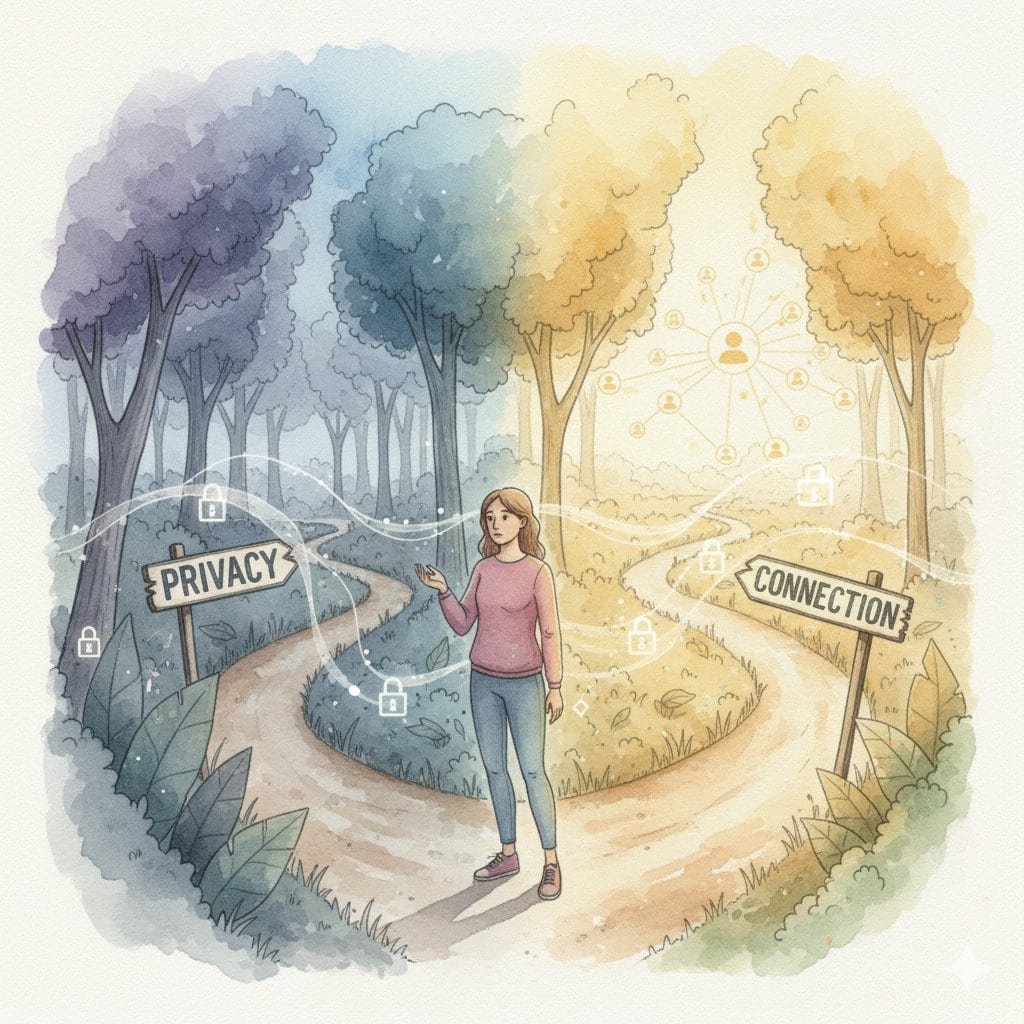
Here’s what happens when I’m fully transparent with AI:
It sees the whole picture. Instead of just responding to one prompt, it can pull from everything I’ve written, all my themes, my past arguments, and the tone I’ve established over years. That makes its suggestions very relevant instead of generic.
It catches things I miss. It can spot gaps in my thinking, flag when I’m contradicting something I said six months ago, or suggest connections between posts that I didn’t see. Not because it’s smarter than me, but because it can process more data faster than I can.
It helps me say what I actually mean. By understanding my full content landscape, it helps me articulate my truth more clearly. Makes sure my blog genuinely reflects the unique path I’ve walked, not some polished version that sounds like everyone else.
Is there something you’re holding back from AI that might help to make it more useful if you shared it?
The Freedom I Didn’t Expect
Letting go of privacy paranoia didn’t feel like a loss. It felt like freedom.
I’m not carrying around that constant worry anymore, like, did I say too much? Is someone watching? What will they do with this information? All that energy I spent on digital vigilance, I can now spend on creating things.
An “authentic AI result” for me isn’t about AI feeling like me or having empathy (impossible). It’s about AI being able to process my patterns so effectively that it enhances what I’m already trying to say. It’s about being understood by the tool’s analytical capabilities, which then helps me translate my thoughts with more precision.
And honestly? I’m grateful for that. It’s part of my evolution as an “Old Dog” adapting in this evolving digital world. Not fighting it, not fearing it, just getting on with it.
Did you stop fighting something and start actually enjoying it?
What’s Your Opinion on AI Transparency?
My choice to be transparent with AI is tied directly to what gives my life purpose right now. This blog matters to me. Connection matters, and so does learning. So I’ve decided the trade-off is worth it.
Your view might be completely different.

Maybe your purpose requires more privacy. Maybe you’re protecting something that needs protecting, like your family, your business, or your safety. Perhaps the risks feel bigger to you than the benefits, and that’s completely understandable.
There’s no single right answer here.
However, I think it helps to be clear about what you’re getting in exchange for what you’re giving up. Are you using AI in a way that aligns with your actual values and purposes? Or are you just drifting into transparency without really thinking about why?
What’s your purpose for engaging with AI? Does being transparent with it serve that purpose, or undermine it?
For me, the answer is clear. For you, it might be different.

Related Reads on OldDogZeroTricks

Grant Barker here (aka OldDogZeroTricks). I’m a British expat living in Japan, teaching English, growing vegetables, and writing honestly about aging, purpose, and figuring things out – without the BS.
This blog is where I talk about the stuff most people keep to themselves – the embarrassing truths, the questions we don’t ask out loud, and what it feels like to keep going, one ordinary day at a time.