
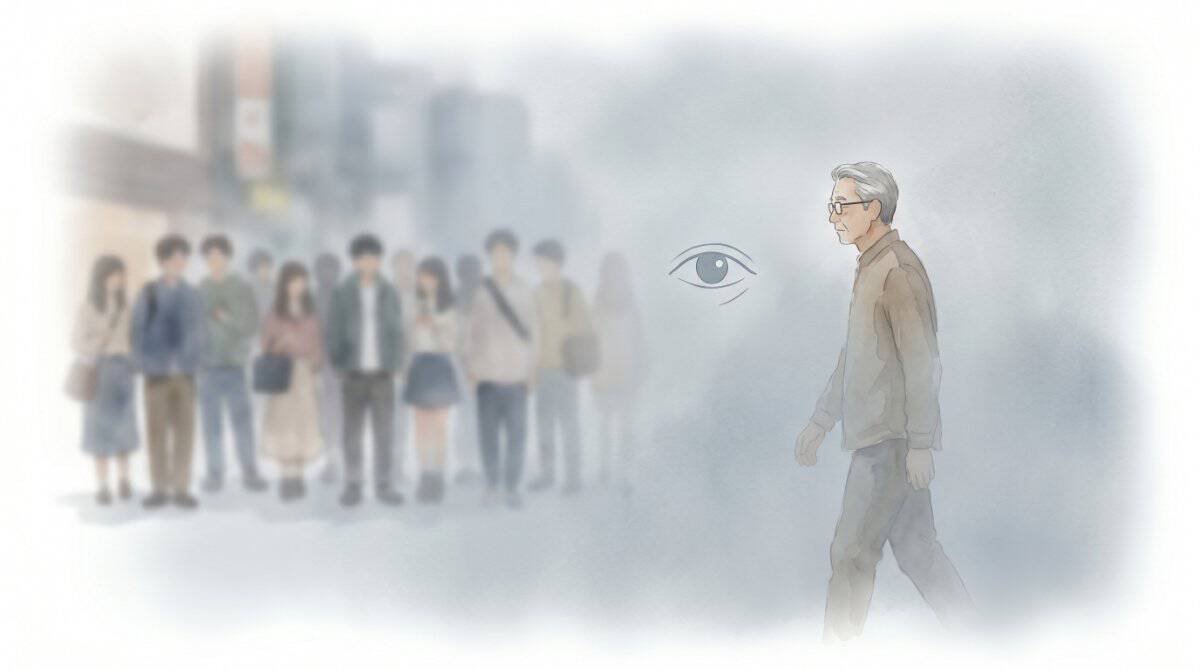
At 57, I’m experiencing what many people call becoming invisible as you age – and I’m OK with it. But soon I’m traveling back to the UK for a family funeral, and the thought of being truly seen after years of blending in has sparked an anxiety I haven’t felt in a long time. Invisibility is comfortable until someone you care about actually looks at you.
If you’ve grown used to blending into the background and the thought of being truly visible again makes you anxious, this might resonate.
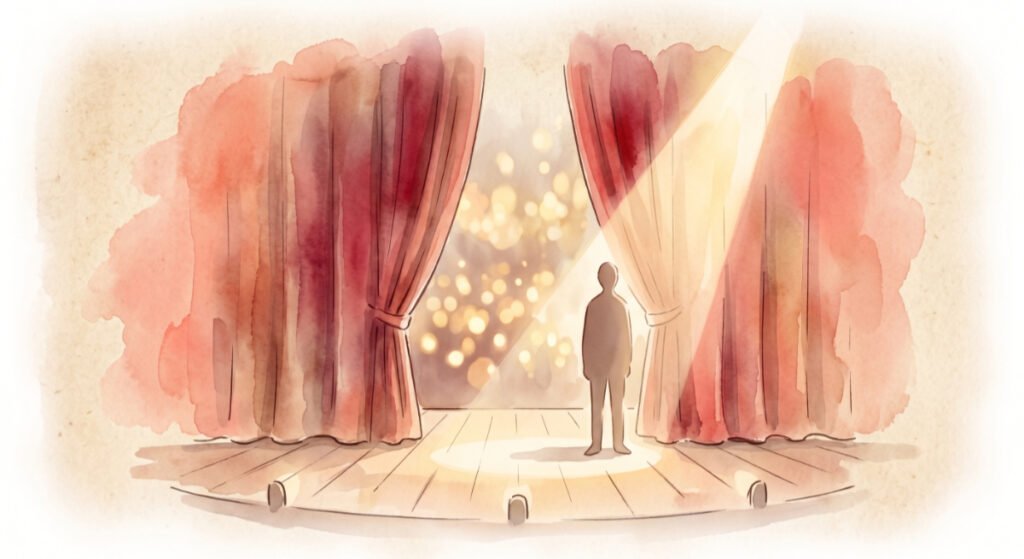
Table of Contents
The Second Curtain Call
Moving abroad in my mid-thirties came with an unexpected perk: a second curtain call of youth. For a decade or so, living as a foreigner in Japan meant I was often treated as though I were ten years younger than I actually was. Different standards, different context, and a novelty that bought me extra time.
It was a fun, extended encore. But eventually, the clock catches up. The novelty settles. And you step into the same stage everyone else hits – the one where people start looking right past you.
At 57, I’ve noticed a distinct change. I’m slowly becoming invisible to the world around me.
And honestly? I’m at peace with it.
The barista at 7-Eleven doesn’t make the same kind of eye contact anymore, unless I speak first. Younger people on the train don’t register my presence. I walk into a room and nobody turns. In crowds, I’m just part of the scenery – a bit like background noise in other people’s lives.
This isn’t unique to me. It happens to most of us. Eventually, we all become ghosts in public – present but mostly unseen.
For some people, this feels like loss. For others, it feels like relief.
For me, it’s been surprisingly comfortable. Until recently, when something made me realize just how much I’ve grown to depend on that invisibility.
When did you first notice people stopped really seeing you?
What Invisibility Looks Like
Here’s what becoming invisible as you age actually looks like in daily practice:
At the convenience store, the clerk serves you efficiently but doesn’t really scan you like they used to. Eye contact is functional, and friendly enough, but not invested. You’re a transaction, not a person they’re curious about.
On public transport, younger people don’t notice when you board. They don’t shift their bags, don’t glance up, don’t register you as someone who exists in their awareness. You could be a lamppost for all the attention they pay.
In social situations, conversations happen around you more than with you. At gatherings, people talk past you to someone younger, more energetic, more visibly present. You’re included out of politeness, not genuine interest.
Walking down the street, nobody’s gaze lingers. Women don’t glance and quickly look away. Men don’t size you up as potential competition or threat. You move through space like a mild breeze – noticed only if you directly interfere with someone’s path.
At work, students are polite and engaged during lessons, but outside class, I’m just the English teacher. Not someone they’re curious about as a person. Not someone whose opinion on non-English matters carries weight. Just a function they interact with.
This isn’t dramatic, sad, or cruel. It’s just… neutral. The world has categorized you as unremarkable and moved on.
And here’s the strange part: after the initial adjustment, it started feeling like freedom.
Why Blending In Feels OK
When you’re young, for some, so much energy goes into being seen, recognized, and validated. You perform. You want to be the main character in whatever room you walk into. You dress for attention. You speak for impact. You move around aware that people are watching, judging, and forming opinions.
It can be exhausting.
Becoming invisible as you age removes all of that pressure.
You’re free from performance anxiety. Nobody’s watching, so you don’t have to impress. You can leave the house without constantly monitoring how you’re being perceived. The mental energy that used to go into maintaining an image? It mostly stops.
Sexual dynamics disappear. For me, this has been one of the biggest reliefs. I’m not in the dating game anymore, and I don’t miss it. That constant awareness of attraction, potential, tension – it’s gone. I’m not scanning rooms. Nobody’s scanning me. The game of attraction just naturally ended, and it feels like freed-up time for genuine friendships, conversations, and social interaction with no expected benefits or strings attached.
You can observe without being observed. Invisibility lets you watch the world without the world watching back. You notice things you missed when you were busy being noticed. Patterns in how people interact. Small moments that are invisible to those still performing.
There’s less pressure to maintain appearance. I still shower and dress like a functional adult, but the urgency to impress strangers? Gone. I’m not trying to turn heads at the convenience store. I’m just buying coffee.
For introverts especially, this feels like finally taking off a heavy coat you didn’t realize you’d been wearing for decades. The relief is profound.
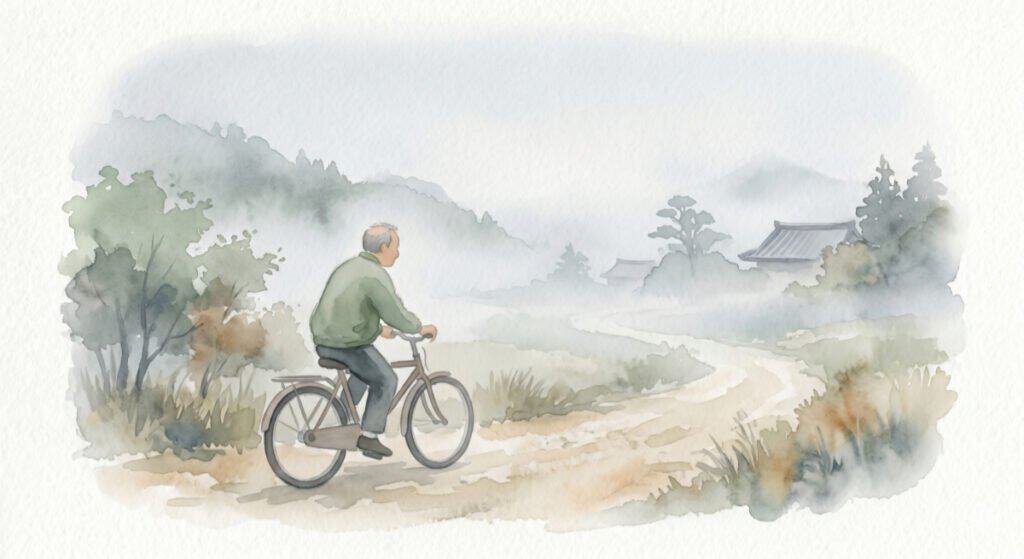
I cycle to work most mornings. Nobody cares what I look like when I arrive. I blend into my routine, do my job, blend back out. It’s peaceful in a way my younger values never allowed.
The Danger of Disappearing Completely
But here’s the trap nobody mentions about feeling invisible: it becomes incredibly easy to let it win entirely.
When nobody’s looking, it’s tempting to stop trying. Stop grooming properly. Stop dressing with care. Stop engaging with your community. Stop maintaining your standards.
You tell yourself nobody cares, so why bother?
And that’s where invisibility stops being peaceful and starts being a slow fade into irrelevance.
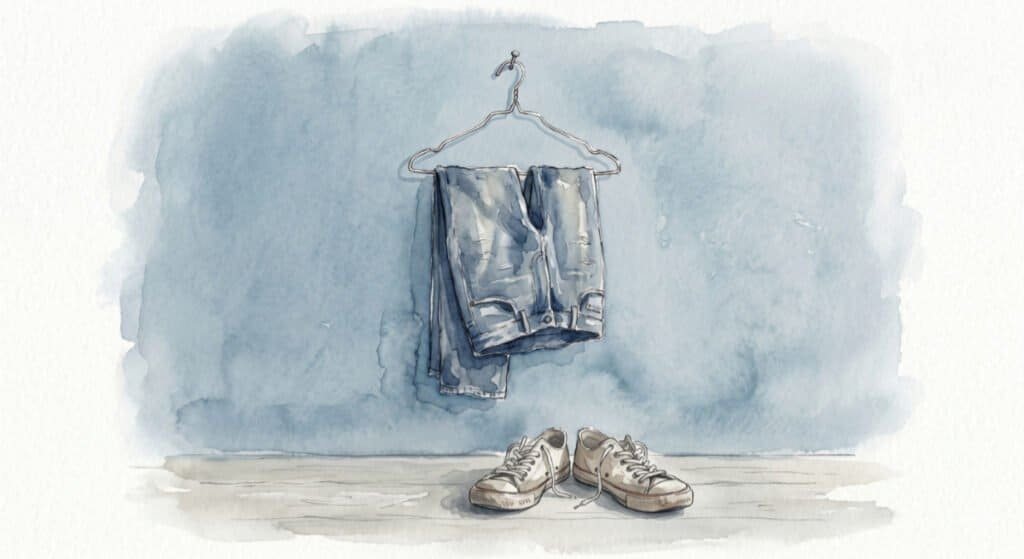
I’ve caught myself doing this. Debating whether I really need to shower before going to the store at 6 AM. Wearing the same jeans three days in a row because who’s going to notice? Letting my apartment stay messier than it should because nobody’s coming over anyway.
The invisibility gives you permission to let things slide. And if you’re not careful, you wake up one day and realize you’ve disappeared not just to others, but to yourself.
The balance is this: You don’t need to perform for strangers. But you still need to show up for yourself.
I still walk to get coffee on my days off. I try to keep my living space decent, even though nobody sees it. I work on this blog, even though it doesn’t pay. Not to impress anyone. Just to maintain some standard that proves I’m still here, still engaged, and still participating.
You have to choose not to let the comfort of invisibility become complete withdrawal.
When Someone Actually Looks
Soon I’ll be traveling back to the UK for a family funeral.
Setting aside the emotional weight of the occasion itself, the trip has sparked an anxiety I haven’t felt in years: the sudden, jarring return to visibility.
I’ll be sitting in the same room as my father for the first time in nearly eight years. My sister for the first time in two decades. People who knew me before. People who remember a different version of me.
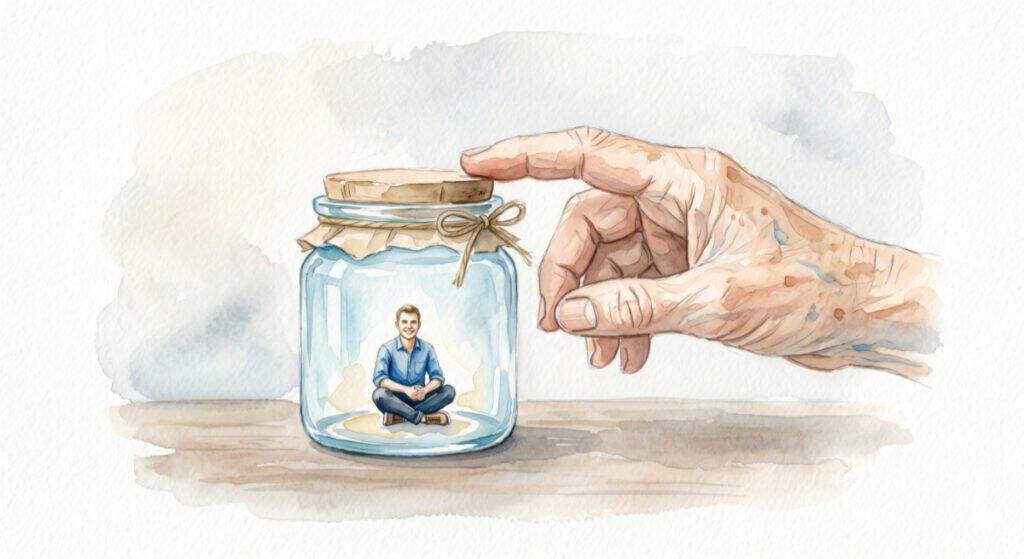
When you’ve been absent that long, you exist in a time capsule in other people’s minds. They have a frozen image of who you were, and now they’re going to see who you’ve become.
I’ll be stepping out of my comfortable, everyday anonymity and walking straight into the high-definition lens of family expectations and memories.
They won’t just be looking at the man I am today. They’ll be comparing me – consciously or not – to the version they last saw. Younger, fresher, definitely different. The gap between who I was and who I am now will be visible in a way it never is in my daily life where nobody knew the earlier version.
This has made me realize how much I’ve grown to depend on invisibility as a form of protection.
In my daily routine, nobody knows what I used to look like. Nobody remembers me with more hair, better looks, and more energy. I’m just the current version, and that’s fine because there’s no comparison point.
But with family, the comparison is inevitable. And after years of comfortable anonymity, the thought of being truly seen – really looked at by people who care – feels uncomfortably vulnerable.
It’s made me aware of how much we curate our presence in daily life. How we control who sees us and when. How we’ve built entire lives around interactions with people who don’t know our history.
And how jarring it feels when that control gets stripped away.
What Visibility Used to Mean
Part of why invisibility feels comfortable now is that visibility used to require so much.
When you’re younger, your confidence often sits on foundations that can never last. Physical attractiveness. Strength. Energy. The ability to command a room just by walking into it. These feel permanent when you have them, but they’re not.
As you age, those traits inevitably soften. Your looks change. Your strength decreases. Your energy isn’t what it was. And if those were your primary sources of confidence, you’re left scrambling to figure out who you are without them.
I’ve written before about the shock of seeing yourself in an iPad camera – that unforgiving front-facing lens that shows you what others actually see. Or how mirrors can be kind in ways that photographs aren’t. The adjustment to your actual appearance versus the image you carry in your head is jarring.
For people whose confidence was heavily anchored in physical traits, aging forces a complete rebuild. You have to find value in yourself that has nothing to do with turning heads.
I never relied heavily on looks for confidence, which probably makes invisibility easier for me than for others. But I’ve seen forum posts from people mourning the loss of their physical presence – guys who used to walk into rooms and command attention through sheer physicality, women who describe the exact moment they became “ghosts” in public areas.
When your primary currency is no longer valid, you’re forced to find a new one. And that transition is harder for some than others.
The relief, if there is one, is that certain drives quiet down with age. The biological urgency around attraction fades. The social pressure to constantly perform decreases. If the instinct to attract naturally fades, the need to be noticed goes with it.
You stop scanning rooms. You stop caring if rooms are scanning you. And in that space, you can finally just… exist.
What About You?
I’ll be navigating that family reunion soon – stepping out of my comfortable invisibility and into the uncomfortable visibility of being truly seen by people who remember earlier versions of me.
I suspect there will be plenty to unpack when I return. But until then, I’m going to enjoy my quiet morning commutes, perfectly content with blending into the scenery.
What about you?
Have you noticed yourself becoming invisible as you get older? Does it bother you, or have you found it liberating? What traits did you have to let go of as you aged? And have you ever felt that anxiety about being truly seen after growing comfortable with anonymity?
Are you comfortable with invisibility, or are you still fighting it?

Related Reads on OldDogZeroTricks
- The Relief of No Longer Being in the Game
- I Secretly Want a Makeover
- Living Abroad vs Returning Home

Grant here (aka OldDogZeroTricks). I’m a British expat living in Japan, teaching English, growing vegetables, and writing honestly about aging, purpose, and figuring things out – without the BS.
This blog is where I talk about the stuff most people keep to themselves – the embarrassing truths, the questions we don’t ask out loud, and what it feels like to keep going, one ordinary day at a time.